
Showroom: Unit 11 Ash, Kembrey Park, Swindon SN2 8UN · Open Tuesday to Saturday
Showroom open Tue–Sat · 01793 640 485
Home / Guides / Central Heating & Home Heating Systems / Which Central Heating System Is Best for Your Home?
Choosing the right heating setup for your property is one of the most important long-term decisions you can make as a homeowner. In this guide, Which Central Heating System Is Best?, we examine the most common UK home heating systems, compare their efficiency, installation requirements and running costs, and explain how fireplaces and stove systems can complement or reduce reliance on traditional central heating.
With rising energy prices and increasing focus on energy efficiency, understanding how different heating systems perform in real-world conditions is essential before upgrading or replacing your current system.
A central heating system generates heat in one location — typically via a boiler or other heat source — and distributes it throughout the property via radiators, pipework, or underfloor heating circuits. Most UK homes rely on gas-fired boiler systems, but alternatives such as electric boilers, oil systems and heat pumps are increasingly common.
Unlike room-based heating appliances such as gas fires or wood-burning stoves, central heating systems aim to heat the entire property consistently.
A typical gas central heating setup includes:
System design, insulation levels and property layout all influence performance and efficiency.
Combination boilers, commonly known as combi boilers, provide heating and hot water directly from the unit without requiring a separate hot water cylinder. They are compact and well-suited to small and medium-sized homes.
Gas combi systems remain one of the most popular central heating solutions in the UK due to reliable performance and relatively lower fuel costs compared to electricity.
Larger homes may use a system or regular boiler paired with a hot water cylinder. These systems can handle higher demand across multiple bathrooms and larger radiator networks.
Gas central heating generally provides strong, consistent heat output and is often cost-effective when natural gas tariffs are stable.
Electric boilers operate without combustion, meaning they produce no on-site emissions. Installation can be simpler where a gas supply is unavailable. However, electricity tariffs typically result in higher operating costs than gas systems.
Electric central heating may be more suitable in smaller properties or highly insulated homes.
Older electric storage heater systems store off-peak electricity to release heat during the day. While once common, they are often less efficient than modern alternatives and may not provide responsive temperature control.
Oil boilers are more common in rural areas where a mains gas supply is not available. While effective in delivering high heat output, oil systems require fuel storage tanks and regular deliveries.
Fuel price volatility and environmental concerns have reduced their popularity in some regions.
Heat pumps extract heat from outdoor air or the ground and transfer it indoors via a refrigerant cycle. They are considered low-carbon heating solutions when powered by renewable electricity.
However, installation costs are typically higher than for traditional boiler systems, and performance depends heavily on property insulation and heat-loss calculations.
Heat pumps operate most efficiently with underfloor heating or oversized radiators, as lower flow temperatures are required. Retrofitting into older properties may require system redesign.
Underfloor heating distributes heat evenly across floor surfaces, improving thermal comfort. It can be paired with gas boilers or heat pumps.
While efficient and comfortable, installation is more disruptive in existing homes compared to radiator-based systems.
Gas central heating systems often offer lower per-kWh costs than electric systems. However, this depends on tariff fluctuations.
Electric heating converts nearly all electricity into heat at the point of use but may cost more to operate depending on grid pricing.
Heat pumps can achieve high efficiency ratios but require significant upfront investment.
Well-insulated properties retain heat more effectively, reducing overall heating demand. The best central heating system for one home may not suit another with different insulation standards or layout.
Accurate heat loss calculations are essential before system selection.
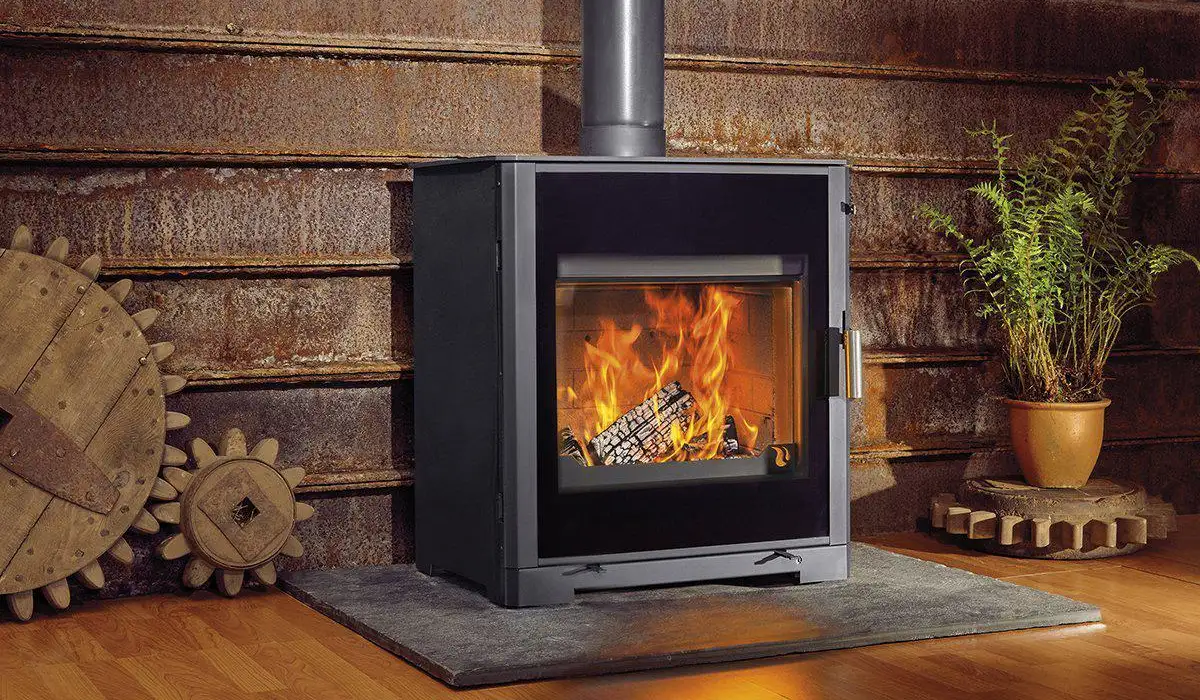
Many homeowners use fireplaces or wood-burning stoves as zoned heating solutions. Instead of heating the entire property through a boiler system, a stove in the living room can provide substantial heat in occupied spaces.
This approach may reduce central heating usage during colder months.
High-efficiency gas fireplaces can deliver 3kW to 5kW of heat output, offering an alternative to radiators in living areas.
When integrated into an overall heating plan, fireplaces can make a meaningful contribution to energy management.
For homes connected to mains gas, a modern condensing gas boiler often remains a practical and cost-effective central heating solution.
Oil boilers or heat pumps may be more suitable where gas infrastructure is unavailable.
Homeowners seeking lower-carbon solutions may consider air-source heat pumps combined with high insulation standards.
If your property includes a wood-burning stove or gas fire, integrating this into your heating strategy can reduce strain on the main central heating system.
Selecting the best central heating system requires a detailed evaluation of property size, insulation, hot water demand and existing infrastructure. Oversized systems waste energy, while undersized systems struggle to maintain comfort.
Professional advice ensures heating systems are correctly specified and compliant with UK regulations.
There is no universal answer to which central heating system is best. Gas boilers remain widely used due to efficiency and affordability. Electric systems offer simplicity but may carry higher running costs. Heat pumps provide low-carbon alternatives but require higher investment and insulation compatibility.
In many homes, the most effective strategy combines a reliable central heating system with a high-efficiency fireplace or stove to deliver zoned heating and enhanced comfort.
A tailored approach, supported by professional assessment, ensures long-term efficiency, safety and performance.
Share this guide
Talk to our team
Our Kembrey Park showroom team can answer your question, check what will suit your home and quote.
Keep reading


What Fuels Are Legal to Burn in 2026? This is one of the most important questions stove owners must understand today. The…
From the showroom
We’ve supplied and fitted fires, stoves and media walls in Swindon for over 22 years. Tell us about your room and what you’re after, and we’ll call you back with honest advice.
Request a callback
Leave your details and we’ll call you back. Or call the showroom on 01793 640 485.
Cookies on our website
We use essential cookies to run this website. With your permission, we'd also like to use analytics cookies to see how it's used and improve it. Cookie policy