
Showroom: Unit 11 Ash, Kembrey Park, Swindon SN2 8UN · Open Tuesday to Saturday
Showroom open Tue–Sat · 01793 640 485
Home / Guides / Fireplace Care & Maintenance Tips / The Benefits Of Having A Stove System In Your Living Room

Installing a stove system in your living room is more than a design decision. It is a practical investment in warmth, comfort and long-term heating efficiency. In this guide, The Benefits Of Having A Stove System In Your Living Room, we explore how wood-burning stoves and multi-fuel stoves enhance property value, reduce reliance on central heating and create a powerful focal point within the home.
Modern stove systems are engineered for high efficiency, low emissions and compliance with current UK Building Regulations. Whether installed within an existing chimney breast or paired with a twin-wall flue system, a professionally fitted stove can transform how a living space feels and performs during colder months.
One of the most significant advantages of a stove system is heat performance. Wood-burning and multi-fuel stoves commonly produce between 4kW and 8kW of heat output, depending on model and size. This level of output is often sufficient to heat a medium to large living room effectively.
In comparison, most electric fires are limited to around 2kW. While suitable for supplementary heating, they may not deliver the same depth of warmth in larger spaces.
A stove provides radiant heat directly from the body of the appliance, combined with convective heat circulation throughout the room. This creates a consistent and comfortable thermal environment.
When installed in the main living area, a stove system can significantly reduce reliance on a gas boiler or electric central heating system. Instead of heating the entire property, homeowners can focus the heat where it is most needed.
This zoned heating strategy can contribute to overall energy management and potentially lower energy bills during peak winter periods.
Modern wood-burning stoves are subject to EcoDesign 2022 standards, ensuring reduced particulate emissions and improved combustion efficiency. DEFRA-approved stoves are permitted for use in smoke control areas, making them suitable for many urban properties.
These regulations ensure that contemporary stove systems are far cleaner and more efficient than older open fireplaces or outdated appliances.
Secondary and tertiary air systems re-burn gases before they exit through the flue. This process extracts more usable heat from each log and reduces smoke output.
The result is improved fuel efficiency and lower environmental impact when compared to traditional open fires.
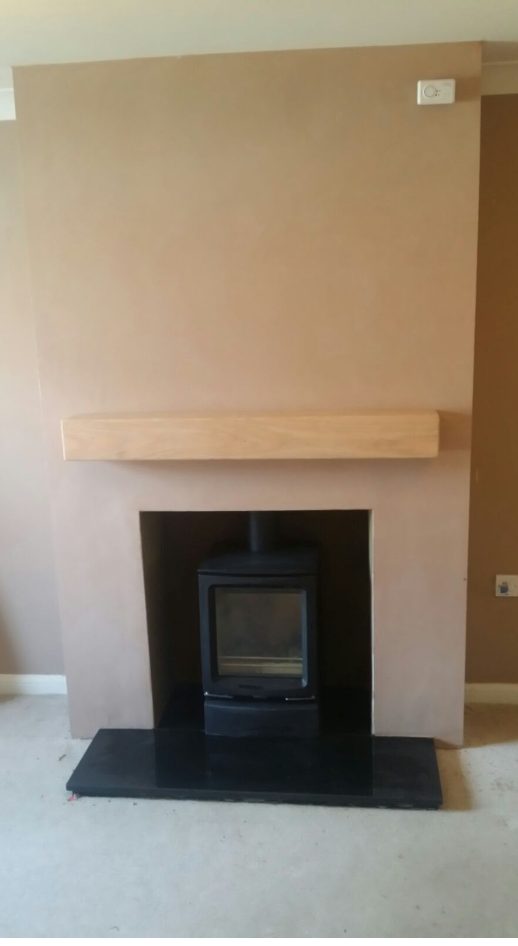
A stove system naturally becomes the centrepiece of a living room. Whether you choose a traditional cast-iron wood burner or a sleek steel multi-fuel stove, the visible flame and robust form create visual interest and atmosphere.
In period properties, a stove within a chimney breast restores character. In modern homes, a freestanding stove paired with a minimalist hearth can introduce warmth and texture to contemporary interiors.
Stoves can be installed within:
This flexibility makes them suitable for a wide range of property types.
For homeowners with access to locally sourced firewood, wood-burning stoves can offer competitive heating costs. Multi-fuel stoves allow the burning of authorised smokeless fuels, providing adaptability during supply fluctuations.
Managing fuel quality and storage ensures consistent combustion and optimal performance.
Stove systems are built from durable materials such as cast iron and steel. With proper maintenance and annual chimney sweeping, many stoves operate effectively for decades.
This longevity contributes to overall value and sustainability.
Unlike central heating radiators that primarily heat air, a stove emits radiant heat directly. This produces a distinct sense of comfort often described as a deeper, more natural warmth.
The visual flame effect enhances relaxation and ambience, particularly during winter evenings.
The presence of a real flame can transform how a space feels. Many homeowners associate stove systems with cosiness, family gatherings and seasonal comfort.
Beyond practical heating benefits, stoves enhance lifestyle appeal.
A professionally installed wood-burning stove can increase buyer appeal. Many prospective homeowners view stoves as desirable features, particularly in cottages, rural properties and character homes.
Certification from a HETAS-registered installer provides reassurance during property transactions.
While kerb appeal refers to external presentation, interior focal points contribute to the overall perception of quality. A well-designed living room with a stove system reflects thoughtful investment in the property.
Stove installations must comply with Part J of the Building Regulations. This includes correct flue sizing, hearth dimensions and ventilation standards.
Using a qualified installer ensures compliance and certification.
In many properties, a stainless steel flue liner is required to ensure safe exhaust of combustion gases. Proper lining improves draught, efficiency and long-term safety.
Annual chimney sweeping is recommended to maintain performance.
Stoves are particularly effective in:
Room size, insulation levels, and the condition of the existing chimney must be assessed before selecting a stove output. Oversized appliances can overheat small rooms, while undersized stoves may struggle to maintain warmth.
Professional site surveys ensure appropriate sizing and installation planning.
The benefits of having a stove system in your living room extend beyond heat output alone. From energy efficiency and reduced reliance on central heating to visual impact and property value, a modern wood-burning or multi-fuel stove offers practical and lifestyle advantages.
When professionally installed and correctly maintained, a stove system provides durable, efficient and character-rich heating for years to come.
Share this guide
Talk to our team
Our Kembrey Park showroom team can answer your question, check what will suit your home and quote.
Keep reading


From the showroom
We’ve supplied and fitted fires, stoves and media walls in Swindon for over 22 years. Tell us about your room and what you’re after, and we’ll call you back with honest advice.
Request a callback
Leave your details and we’ll call you back. Or call the showroom on 01793 640 485.
Cookies on our website
We use essential cookies to run this website. With your permission, we'd also like to use analytics cookies to see how it's used and improve it. Cookie policy