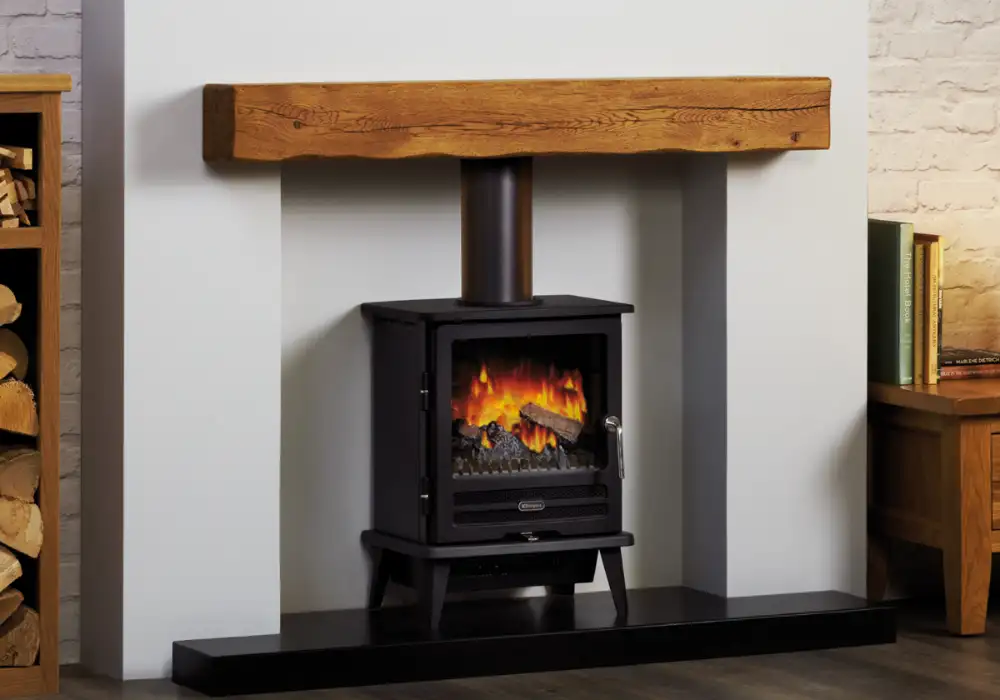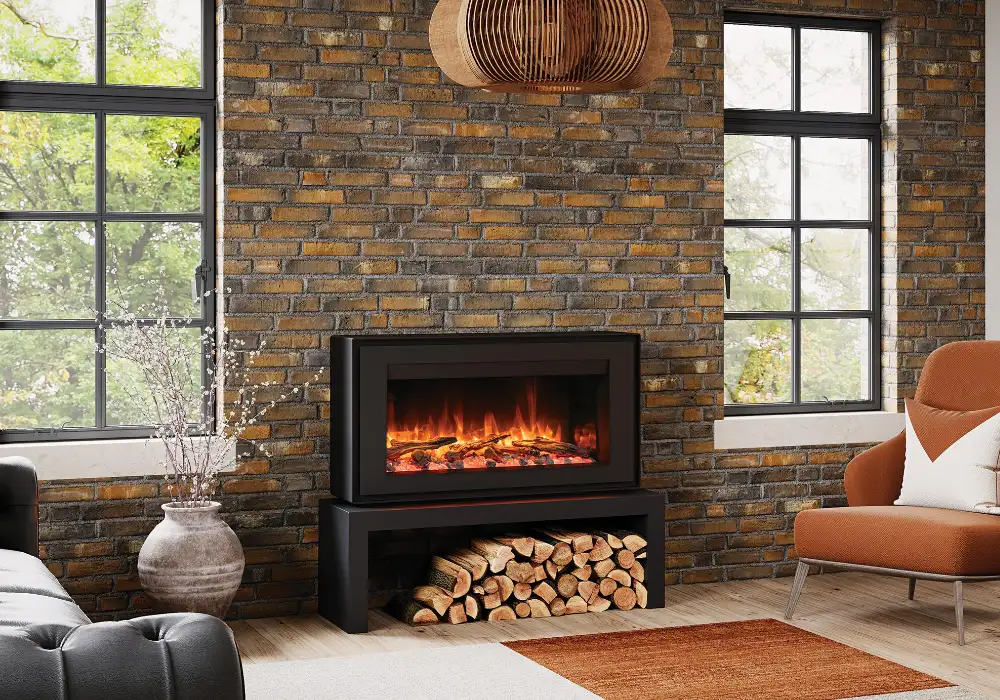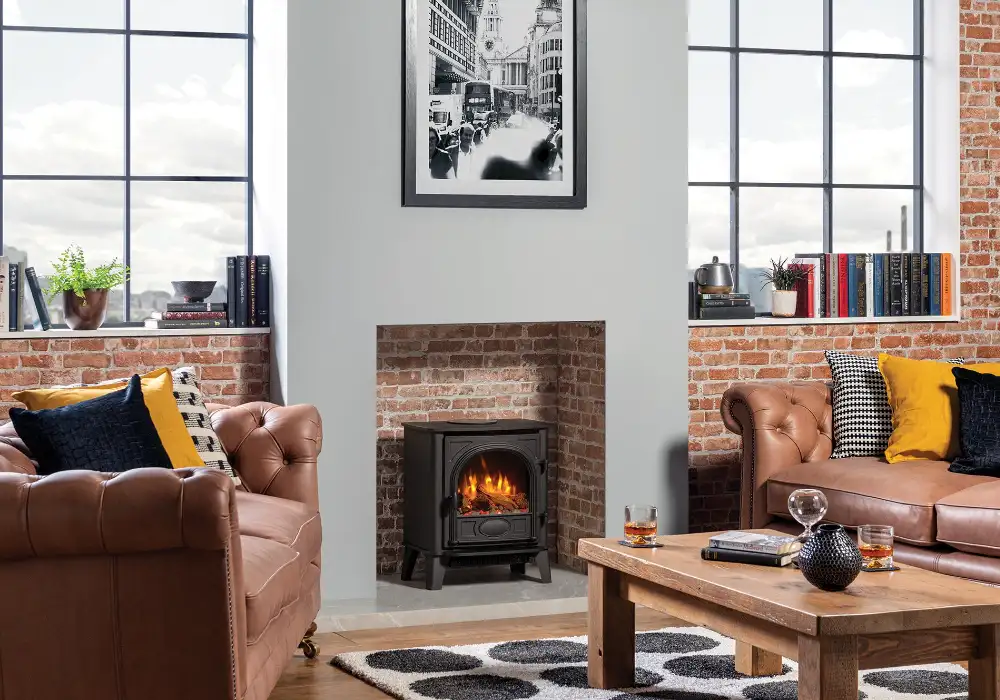
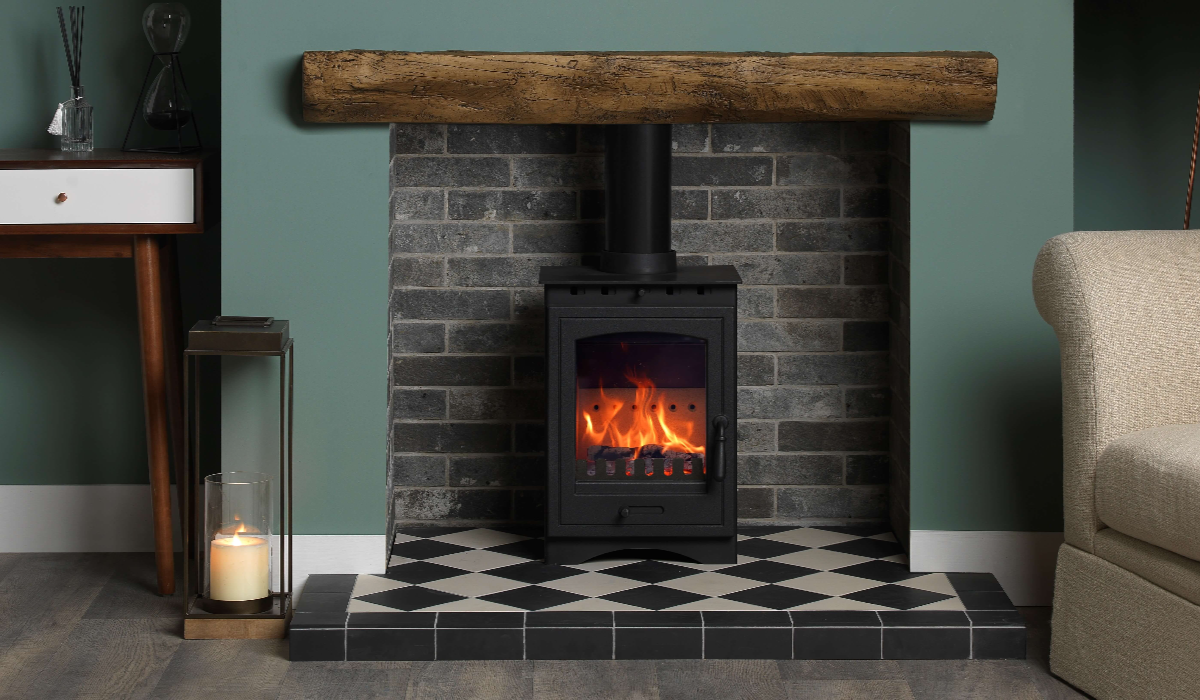
Introduction to Wood Burning and Multi-Fuel Stoves
When homeowners explore solid-fuel heating, one of the most common comparisons is between a Wood Burning Stove and a Multi-Fuel Stove – What’s the Difference? While both appliances appear similar in design and function, there are important distinctions in fuel compatibility, internal construction, combustion control, efficiency and long-term operating costs.
Wood-burning and multi-fuel stoves both provide radiant and convective heat through controlled solid-fuel combustion. They create a traditional focal point while delivering substantial heat output, typically 4-8kW, depending on the model. However, the way each stove is engineered to burn fuel affects performance, maintenance requirements and suitability for different properties.
Understanding these differences is essential before investing in a stove installation.
How Wood Burning and Multi-Fuel Stoves Work
Combustion Principles and Airflow Control
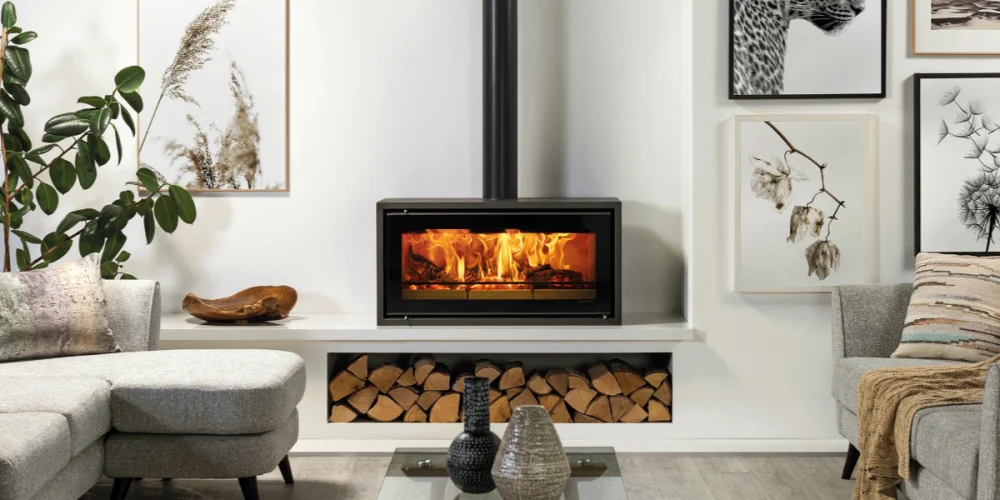
A wood-burning stove is specifically designed to burn seasoned logs. It relies on a flat bed where logs sit directly on the stove base, allowing air to circulate primarily above the fuel. This promotes efficient combustion of timber and supports secondary burn technology in modern EcoDesign-compliant models.
A multi-fuel stove, by contrast, incorporates a raised grate system. This grate allows primary air to flow beneath the fuel bed, making it suitable for smokeless coal, briquettes, and other authorised solid fuels, as well as logs. The riddling mechanism allows ash to fall into a removable pan, improving airflow during the burning of mineral fuels.
The airflow configuration is the defining engineering difference between the two appliances.
Fuel Compatibility
Wood-burning stoves are optimised for kiln-dried or properly seasoned hardwood logs with a moisture content below 20%. Burning coal in a wood-only stove can damage internal components and reduce efficiency.
Multi-fuel stoves offer greater versatility. They can burn:
- Seasoned firewood
- Smokeless coal
- Manufactured briquettes
- Approved solid fuels for smoke control areas
However, while multi-fuel stoves can burn logs, they may not always be as optimised for wood efficiency as dedicated wood burners.
Installation Requirements
Chimney and Flue Systems
Both wood-burning and multi-fuel stoves require a suitable chimney or flue system. Installation must comply with Building Regulations Part J, covering flue diameter, liner specification, hearth construction and ventilation requirements.
In many properties, a stainless steel flexible flue liner is installed within an existing chimney stack. For homes without a chimney, a twin-wall insulated flue system can be routed internally or externally.
Professional installation by a HETAS registered installer ensures compliance and certification.
Hearth and Clearance Requirements
Solid-fuel stoves require appropriate hearth dimensions and safe clearance from combustible materials. Modern stove installations must meet strict guidelines regarding floor protection and proximity to walls or timber features.
Whether installing a wood burner or a multi-fuel stove, a proper structural assessment is critical.
Heat Output and Efficiency
Energy Efficiency Ratings
Modern wood-burning stoves are highly efficient, particularly EcoDesign 2022-compliant models. Many achieve efficiency ratings above 75%, thanks to advanced secondary combustion systems that re-burn particulates.
Multi-fuel stoves also offer high efficiency, though combustion efficiency can vary depending on the fuel type.
Heat Distribution
Both stove types provide radiant heat directly from the stove body, and convective heat is circulated in the room. Larger models can act as a primary heat source in living areas.
Some properties may benefit from stove heat, reducing overall central heating use during the winter months.
Running Costs and Fuel Availability
Cost of Firewood
The cost of seasoned logs varies regionally but remains competitive when sourced locally. Storing logs requires a dry, ventilated space.
Cost of Smokeless Fuels
Smokeless coal and briquettes often cost more per kilogram than logs but burn longer, making them suitable for overnight heat retention.
Homeowners prioritising fuel flexibility may appreciate the adaptability of a multi-fuel stove, particularly during supply fluctuations.
Environmental Impact and Regulations
DEFRA Approval and Smoke Control Areas
In UK smoke control areas, only DEFRA approved stoves and authorised fuels may be used. Many modern wood-burning stoves are DEFRA exempt, meaning they are permitted to burn wood in designated zones.
Multi-fuel stoves can also be DEFRA approved, provided they meet emissions standards.
EcoDesign 2022 Compliance
EcoDesign regulations introduced stricter emissions standards for solid fuel appliances. Both wood-burning and multi-fuel stoves must now meet improved particulate and efficiency thresholds.
Modern appliances are significantly cleaner than older models.
Maintenance and Servicing
Both stove types require annual chimney sweeping to prevent creosote build-up and ensure safe flue performance. Ash removal and glass cleaning form part of routine maintenance.
Multi-fuel stoves may require slightly more frequent grate inspection due to exposure to mineral fuels.
Which Stove Is Best for Your Home?
Homes in Rural Areas
Wood-burning stoves are often ideal when affordable, seasoned logs are readily available.
Homes in Smoke Control Zones
DEFRA-approved models — whether wood-only or multi-fuel — must be selected carefully to ensure compliance.
Homeowners Seeking Simplicity
If you intend to burn logs exclusively, a dedicated wood-burning stove may provide optimal efficiency and straightforward operation.
Homeowners Seeking Flexibility
If you want the option to burn multiple fuel types depending on availability and cost, a multi-fuel stove offers greater versatility.
Final Verdict: Wood Burning vs Multi-Fuel Stove
The core difference between a wood-burning stove and a multi-fuel stove lies in internal construction and fuel compatibility. A wood burner is engineered specifically for log combustion and often delivers excellent efficiency when used correctly. A multi-fuel stove provides adaptability, allowing homeowners to switch between wood and authorised solid fuels.
Choosing the right appliance depends on fuel preference, local regulations, storage capacity and long-term heating goals. Professional installation and compliance with UK building standards ensure both options operate safely and efficiently.