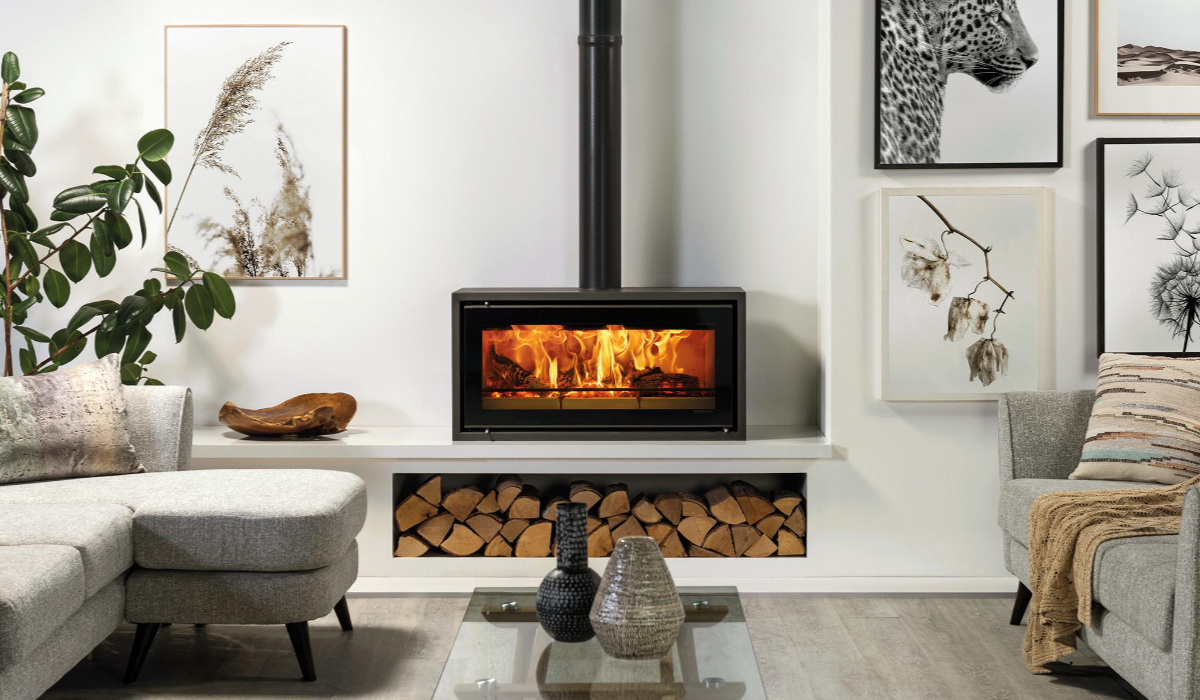
What Fuels Are Legal to Burn in 2026? This is one of the most important questions stove owners must understand today. The legal fuels to burn in 2026 have changed significantly compared with previous years. Therefore, homeowners must now pay closer attention to the type and quality of fuel they use.
Across the UK, including towns such as Swindon in Wiltshire, fuel regulations apply equally. Whether you live in a rural cottage or a modern estate property, the same national standards determine what you can and cannot burn.
In this guide, you will learn exactly which fuels are legal, which fuels are restricted, how smoke control areas affect your choices and how to remain fully compliant in 2026.
Why Understanding Legal Fuels to Burn in 2026 Matters
Choosing the correct fuel is no longer optional. Instead, it directly affects:
- Air quality
- Chimney safety
- Stove efficiency
- Insurance validity
- Legal compliance
Because domestic solid-fuel burning contributes to particulate pollution, the UK government has tightened legislation in recent years. As a result, suppliers must now meet strict standards, and homeowners must burn compliant fuels.
According to official government guidance on smoke control rules, certain fuels are prohibited in designated areas unless used in exempt appliances (source: https://www.gov.uk/smoke-control-area-rules).
Therefore, understanding legal fuels to burn in 2026 protects both your household and your community.
Is Kiln-Dried Wood Legal to Burn in 2026?
Yes. Kiln-dried wood is fully legal and widely recommended.
However, not all logs qualify automatically. Since the wet-wood ban came into force in the UK, wood sold in small quantities (under 2 cubic metres) must have a moisture content of 20 per cent or less.
What Is the Ready-to-Burn Certification?
The “Ready to Burn” logo confirms that logs meet the 20 per cent moisture rule. Consequently, this mark provides reassurance that the fuel complies with national standards.
Dry wood:
- Burns hotter
- Produces less visible smoke
- Reduces tar build-up
- Improves stove performance
In contrast, wet wood wastes energy because much of the heat is used to evaporate moisture before combustion occurs.
If you are unsure how moisture content affects appliance performance, you may find our guide on wood-burning stove regulations helpful, as it explains how appliance standards and fuel rules work together.
What Is the Wet Wood Ban UK and Why Was It Introduced?
The Wet Wood Ban UK legislation restricts the sale of damp wood in small loads. Suppliers cannot sell bagged or small-volume wood with moisture above 20 per cent.
The government introduced this rule because wet timber:
- Produces excessive smoke
- Releases higher particulate emissions
- Causes creosote build-up
- Increases chimney fire risk
Furthermore, burning wet wood often leads to blackened stove glass and poor heat output. Therefore, the regulation improves both air quality and user experience.
Larger bulk loads may still be sold unseasoned. However, suppliers must clearly state that further drying is required before burning.
Are Smokeless Fuels Legal to Burn in 2026?
Yes. Authorised smokeless fuels remain legal and are used in multi-fuel stoves.
These manufactured fuels burn at higher temperatures and emit less visible smoke compared with traditional coal.
However, traditional house coal is no longer legally sold for domestic use. The government phased it out due to high sulphur content and heavy emissions.
Smokeless fuel is particularly relevant in smoke control area fuel compliance.
What Fuels Can You Use in a Smoke Control Area?
Smoke control areas apply stricter limits. If you live in one, you must either:
- Burn authorised smokeless fuel, or
- Use a DEFRA-approved appliance that allows wood burning
Smoke control enforcement operates under national legislation overseen by DEFRA.
To confirm whether your area falls within a smoke control zone, contact your local authority or check official guidance online.
For example, some parts of towns such as Swindon, Wiltshire, may fall within designated zones. Therefore, postcode verification remains essential.
What is a DEFRA-approved appliance?
A DEFRA-approved stove has passed emissions testing, allowing it to burn wood in smoke-control areas.
These appliances maintain higher combustion temperatures and controlled airflow. As a result, they significantly reduce smoke output.
Installers registered with HETAS can advise on compliant stove and fuel combinations.
If you are planning installation, see our detailed guide on professional wood-burning stove installation services to understand compliance requirements.
What Fuels Are Illegal to Burn in 2026?
Understanding legal fuels to burn in 2026 also requires clarity on what is prohibited.
The following materials are illegal or strongly restricted:
- Wet wood is sold in small quantities
- Traditional house coal
- Painted or treated timber
- MDF or laminated board
- Household rubbish
- Plastics
Burning these materials can result in fixed penalty notices. Additionally, they can damage your flue system and void warranties.
How Do You Check If Your Logs Are Compliant?
To confirm you are using legal fuels to burn in 2026:
- Look for the Ready to Burn logo
- Use a moisture meter
- Store logs in a ventilated space
- Avoid covering wood tightly with plastic
Proper storage remains crucial. Even kiln-dried logs can absorb moisture if stored incorrectly.
You can also refer to the Energy Saving Trust guidance on wood burner regulations for additional clarity (source: https://energysavingtrust.org.uk/wood-burner-regulations-fines).
Why Legal Fuel Improves Stove Efficiency
Legal fuel does more than satisfy regulations. It also improves efficiency.
Dry, authorised fuel:
- Produces more heat per log
- Creates a cleaner flame
- Reduces soot deposits
- Extends chimney liner lifespan
As a result, homeowners often use less fuel overall.
Furthermore, compliant fuel keeps emissions lower. Therefore, it supports environmental targets without sacrificing warmth.
Common Fuel Mistakes Homeowners Still Make
Despite clear guidance, some mistakes remain common.
For example:
- Buying cheap roadside logs without moisture certification
- Burning garden waste
- Shutting air controls too early
- Overloading the firebox
These habits increase smoke and reduce efficiency. Consequently, they undermine the purpose of modern stove regulations.
If you are unsure about safe operation techniques, our article on annual stove servicing and chimney maintenance explains proper upkeep in detail.
How Fuel Rules Link to Wider Wood Burning Regulations
Fuel rules do not exist in isolation. Instead, they form part of broader stove regulations introduced since 2022.
If you have not already done so, read our related article:
Are Wood Burning Stoves Being Banned in the UK?
That guide explains EcoDesign standards and installation compliance. Together, appliance and fuel rules create a complete legal framework.
Additionally, if your property does not have a chimney, our guide on twin-wall flue systems explains how modern installations remain compliant.
Legal Fuels to Burn in 2026: What Should Homeowners Do Next?
Legal fuels to burn in 2026 include:
- Kiln-dried logs under 20 per cent moisture
- Ready to Burn certified wood
- Authorised smokeless fuels
- Approved manufactured solid fuels
Meanwhile, illegal or restricted fuels include:
- Wet wood is sold in small loads
- Traditional house coal
- Treated timber
- Waste materials
These rules apply nationally. Therefore, whether you live in a rural property or a town such as Swindon in Wiltshire, compliance requirements remain consistent.
To stay fully compliant:
- Buy certified fuel from reputable suppliers
- Install a compliant stove
- Follow smoke control regulations
- Maintain your chimney annually
By taking these steps, you can enjoy the comfort of real flame heating while staying within current UK law.