As environmental awareness increases and UK heating regulations evolve, many homeowners are asking an important question: Are Wood Burning Stoves Environmentally Friendly in 2026? The answer is more nuanced than headlines often suggest. Modern wood-burning stoves are very different from the outdated appliances of previous decades. With EcoDesign 2022 compliance, DEFRA approval standards and stricter emissions controls now in place, contemporary stoves operate far more cleanly and efficiently than traditional open fires.
However, environmental performance depends heavily on correct appliance choice, responsible fuel use and professional installation. Understanding the full picture is essential before deciding whether a wood-burning stove is a sustainable heating solution for your home.
How Modern Wood Burning Stoves Have Evolved
From Open Fires to Sealed Combustion Systems
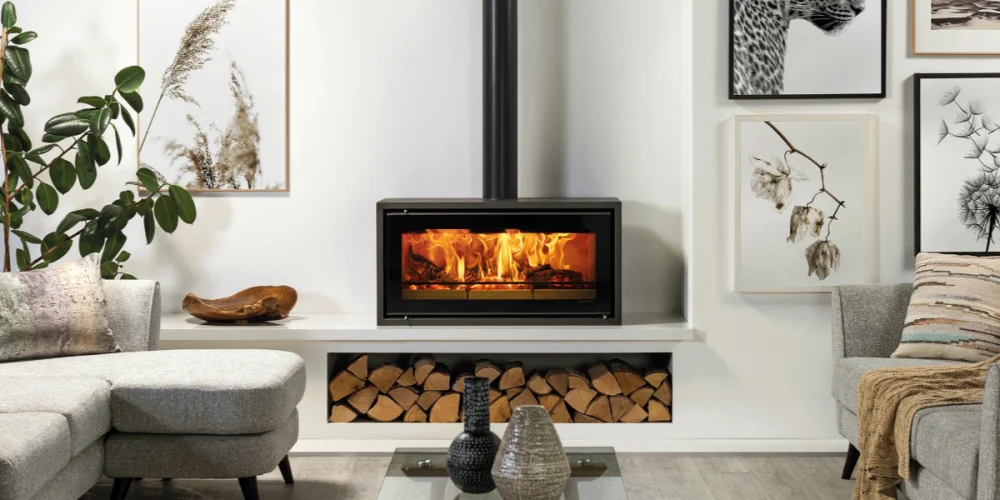
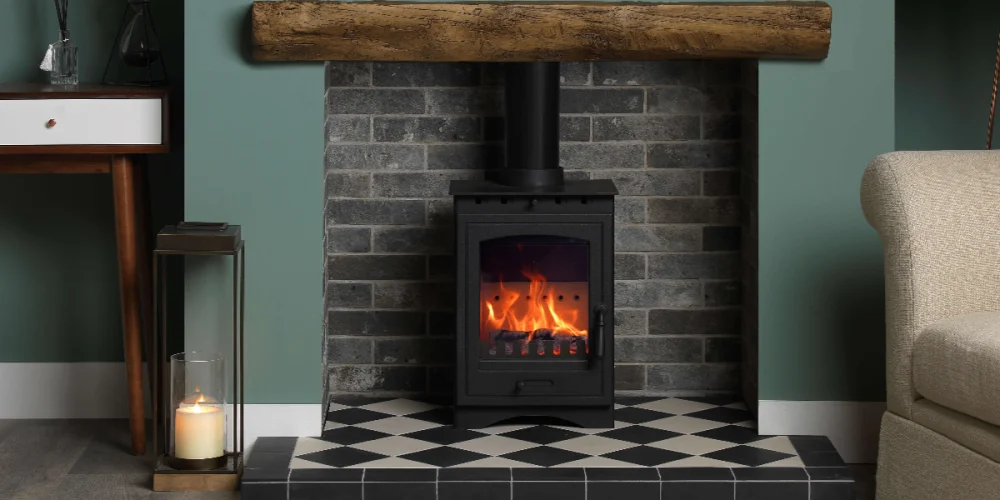
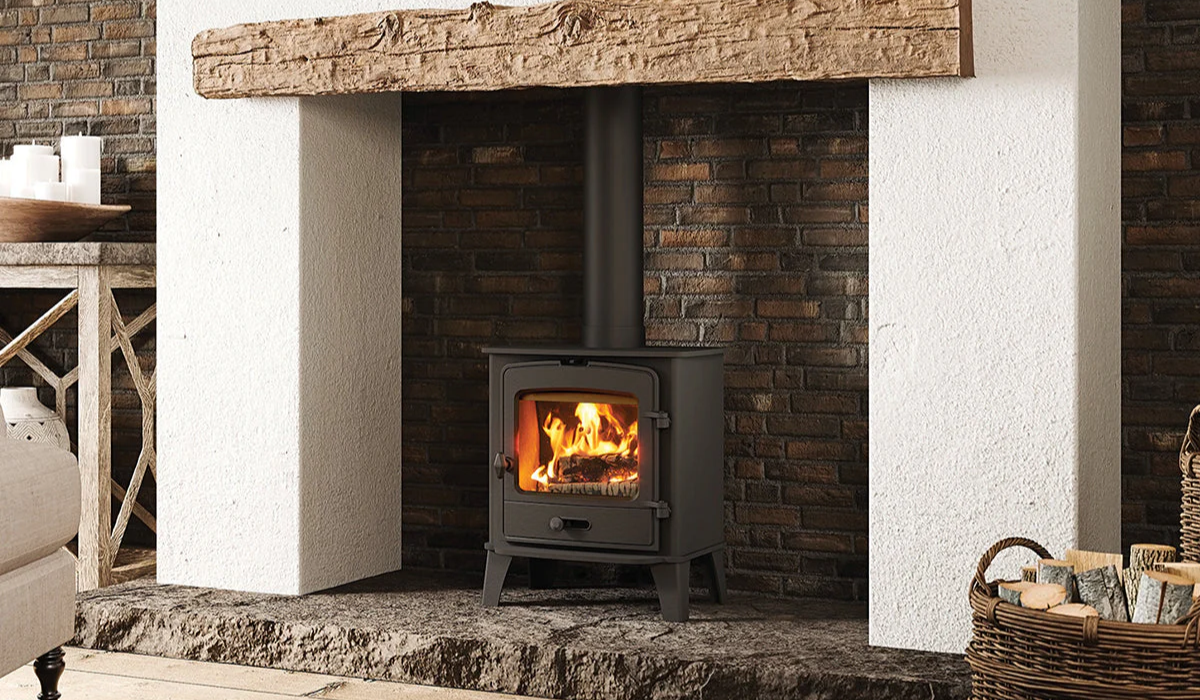
Older open fireplaces were highly inefficient, losing a large proportion of heat up the chimney while producing substantial smoke and particulate emissions. In contrast, modern wood-burning stoves are sealed combustion appliances designed to maximise heat retention and minimise unburned gases.
The transition from open hearths to closed stove systems represents one of the most significant environmental improvements in domestic solid fuel heating.
EcoDesign 2022 Standards
Since January 2022, all new wood-burning stoves sold in the UK must meet EcoDesign regulations. These standards impose strict limits on particulate and carbon monoxide emissions, as well as overall efficiency.
EcoDesign-compliant stoves use advanced secondary and tertiary combustion systems to re-burn gases before they exit through the flue. This dramatically reduces smoke and improves fuel efficiency.
In 2026, virtually all new installations should meet these requirements, making them considerably cleaner than legacy appliances.
Carbon Neutrality and the Wood Fuel Cycle
The Carbon Cycle Explained
One of the core environmental arguments in favour of wood-burning stoves is the concept of carbon neutrality. Trees absorb carbon dioxide as they grow. When properly seasoned logs are burned, they release roughly the same amount of carbon that was absorbed during growth.
This creates a short carbon cycle, unlike fossil fuels such as gas and oil, which release carbon that has been stored underground for millions of years.
When sourced from sustainably managed woodlands, firewood can be considered a renewable fuel.
Responsible Fuel Sourcing
Environmental performance depends heavily on fuel quality. Burning wet or unseasoned wood increases smoke production, reduces heat output and raises particulate emissions.
Using kiln-dried or properly seasoned logs with a moisture content below 20% is essential for clean combustion. The UK’s Ready to Burn scheme encourages responsible fuel supply, supporting improved air quality.
Particulate Emissions and Air Quality
Addressing Common Concerns
Much of the criticism surrounding wood-burning stoves focuses on particulate matter emissions. While older appliances contributed significantly to urban air pollution, modern EcoDesign models produce substantially fewer particulates when operated correctly.
Correct fuel choice, proper airflow control and regular chimney maintenance all influence emissions performance.
DEFRA Approved Stoves and Smoke Control Areas
In smoke control areas, only DEFRA-exempt stoves may be used to burn wood. These appliances are specifically engineered to limit smoke output while maintaining combustion efficiency.
In 2026, most reputable stove installations in urban areas will involve DEFRA-approved models to ensure regulatory compliance.
Energy Efficiency and Heat Performance
High Efficiency Ratings
Modern wood-burning stoves commonly achieve efficiency ratings above 75%. This means the majority of the energy contained within each log is converted into usable heat.
Compared to open fireplaces, which can lose more heat than they produce, a sealed stove significantly improves overall heating efficiency.
Zoned Heating and Reduced Boiler Use
A stove installed in a living room can serve as a powerful zoned-heating solution. Instead of relying solely on a central heating boiler to warm the entire property, homeowners can heat the primary living space directly.
This can reduce reliance on gas or electric heating systems during colder months, potentially lowering overall household energy consumption.
Environmental Comparison with Other Heating Methods
Gas Heating
Gas central heating systems burn fossil fuels and release carbon dioxide directly linked to extraction and processing. While modern gas boilers are efficient, they rely on non-renewable energy sources.
Electric Heating
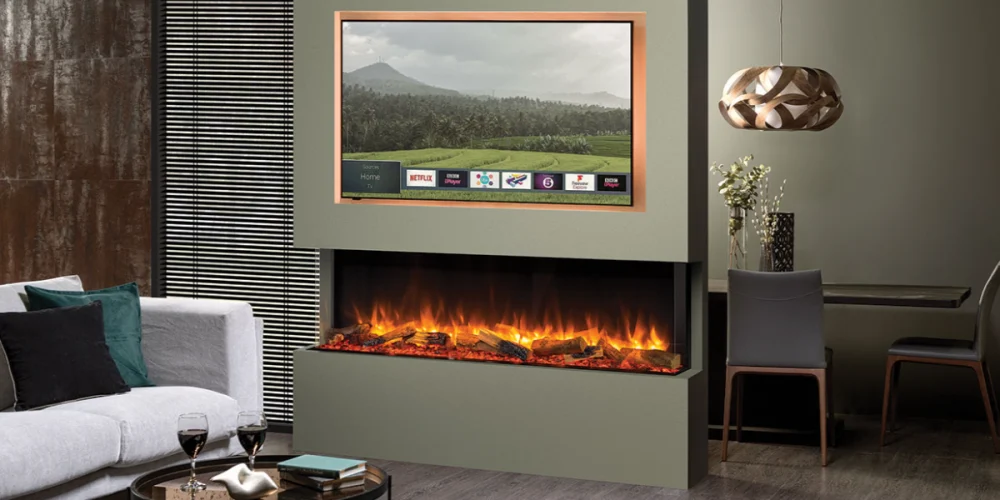
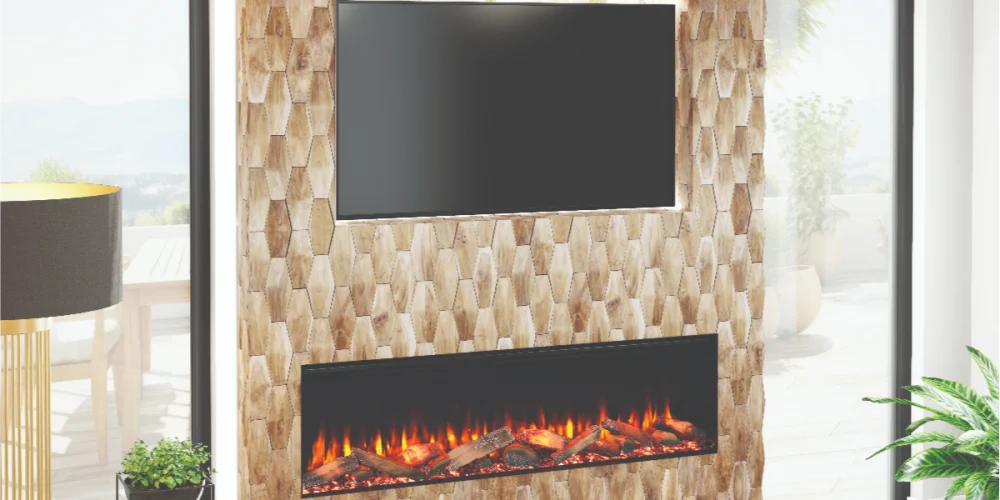
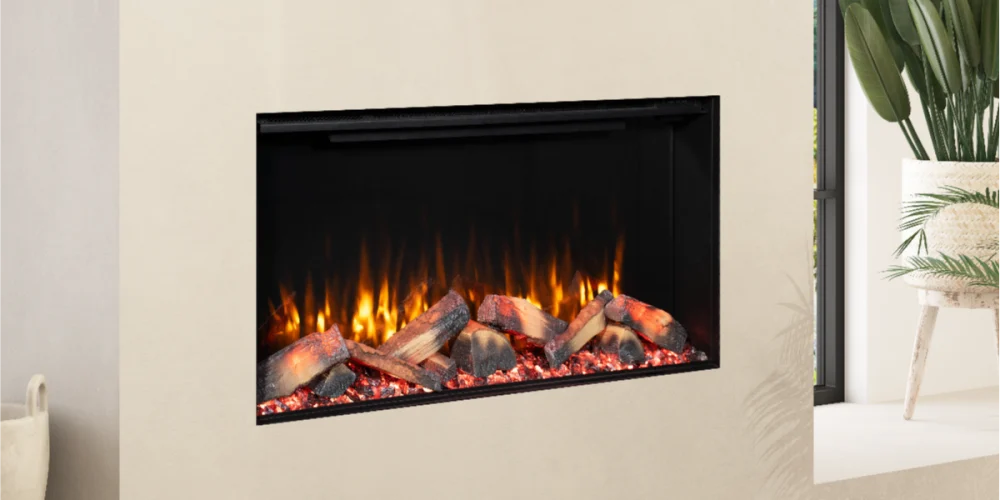
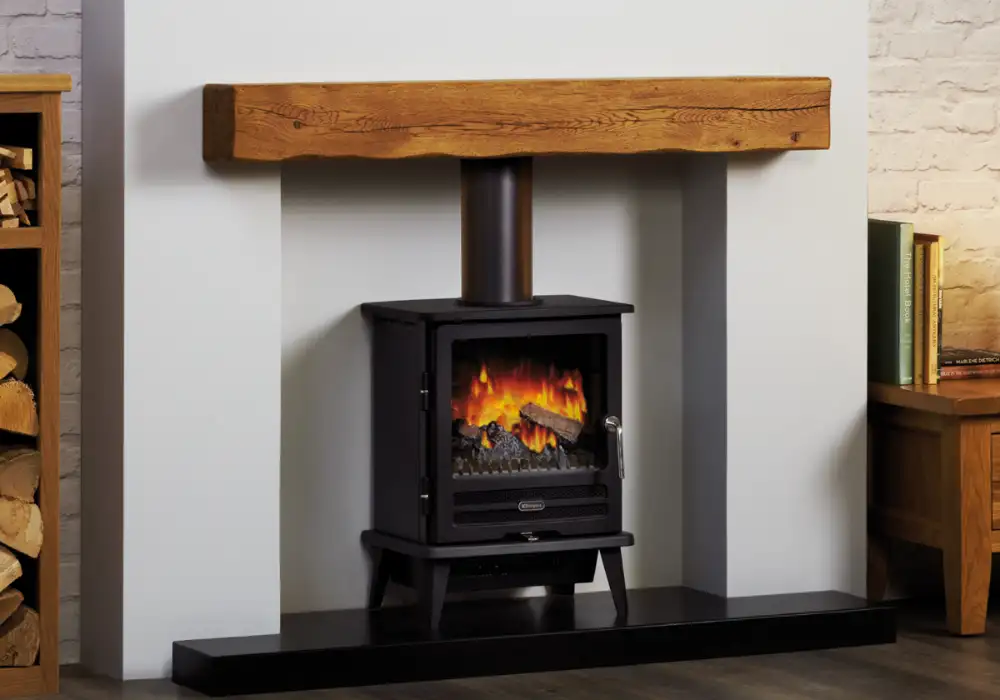
Electric fireplaces produce no on-site emissions. However, environmental impact depends on electricity generation sources. As the UK grid incorporates more renewable energy, electric heating becomes cleaner.
Heat Pumps
Air source heat pumps are often promoted as low-carbon alternatives. While highly efficient, they require well-insulated properties and significant upfront installation costs.
A wood-burning stove can complement other heating systems rather than replace them entirely.
Sustainability Beyond Emissions
Appliance Longevity
Wood-burning stoves are durable heating appliances. With regular servicing and chimney sweeping, they can operate effectively for decades. This long lifespan reduces replacement frequency and overall manufacturing impact.
Reduced Grid Dependency
In rural areas or during power outages, a stove provides resilience that electric systems cannot. Diversified heating strategies can support long-term energy security.
Common Myths About Wood Burning Stoves in 2026
“Log Burners Are Being Banned”
There is currently no blanket ban on wood-burning stoves in the UK. Instead, regulations focus on improving appliance standards and fuel quality. EcoDesign and DEFRA compliance are designed to modernise the industry rather than eliminate it.
“All Stoves Pollute Heavily”
When operated correctly with dry wood and proper airflow, modern stoves emit far fewer particulates than outdated models. Responsible usage plays a major role in environmental performance.
When Is a Wood-Burning Stove Environmentally Responsible?
A wood-burning stove is most environmentally responsible when:
- It is EcoDesign compliant
- It is DEFRA-approved where required
- A qualified professional installs it
- It burns properly seasoned logs
- It is serviced and the chimney swept annually
Under these conditions, a modern stove can offer efficient, renewable heat with controlled emissions.
The Environmental Verdict on Wood Burning Stoves in 2026
In 2026, modern wood-burning stoves are significantly cleaner, more efficient and more regulated than their predecessors. While no heating system is entirely impact-free, an EcoDesign-compliant stove burning responsibly sourced, dry firewood can form part of a sustainable home heating strategy.
Environmental responsibility depends not only on the appliance but also on how it is installed, maintained and operated. When chosen carefully and used correctly, a wood-burning stove can provide renewable heat, reduce reliance on fossil fuels and deliver efficient zoned heating for UK homes.
Professional guidance ensures the appliance selected meets regulatory standards and operates at peak efficiency, supporting both environmental performance and long-term comfort.