
Introduction to Media Walls and Traditional Fireplaces
Homeowners upgrading their living space often face a key design decision: Media Wall vs Traditional Fireplace – Which Is Better? Both options create a strong focal point and provide warmth, yet they differ significantly in installation complexity, structural requirements, heating performance and overall aesthetic impact.
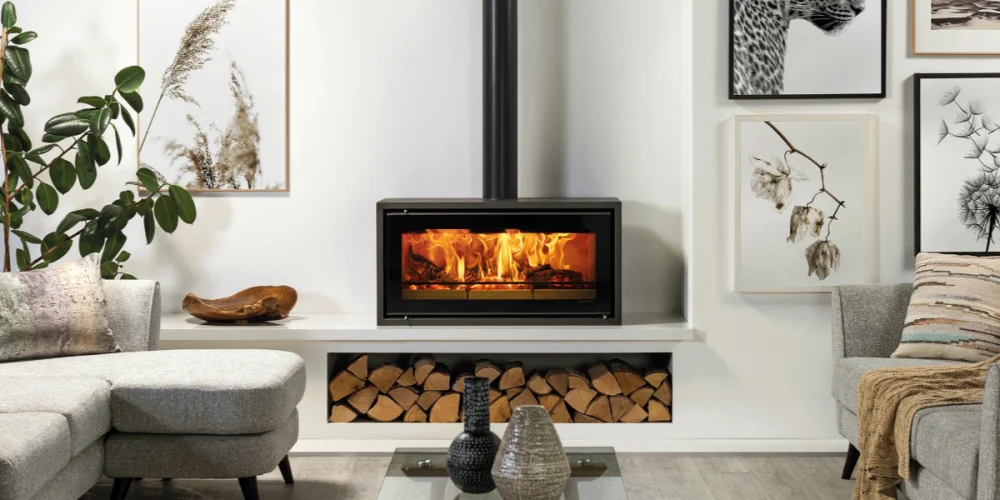
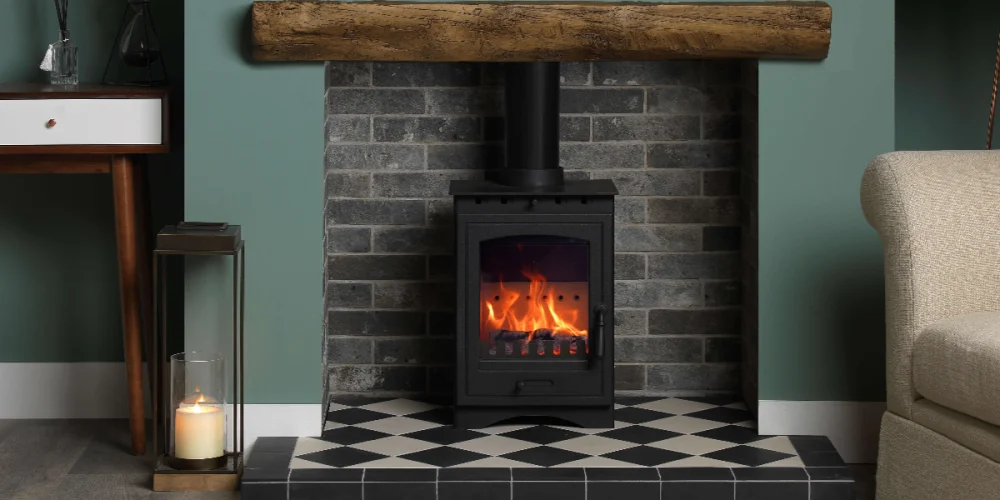
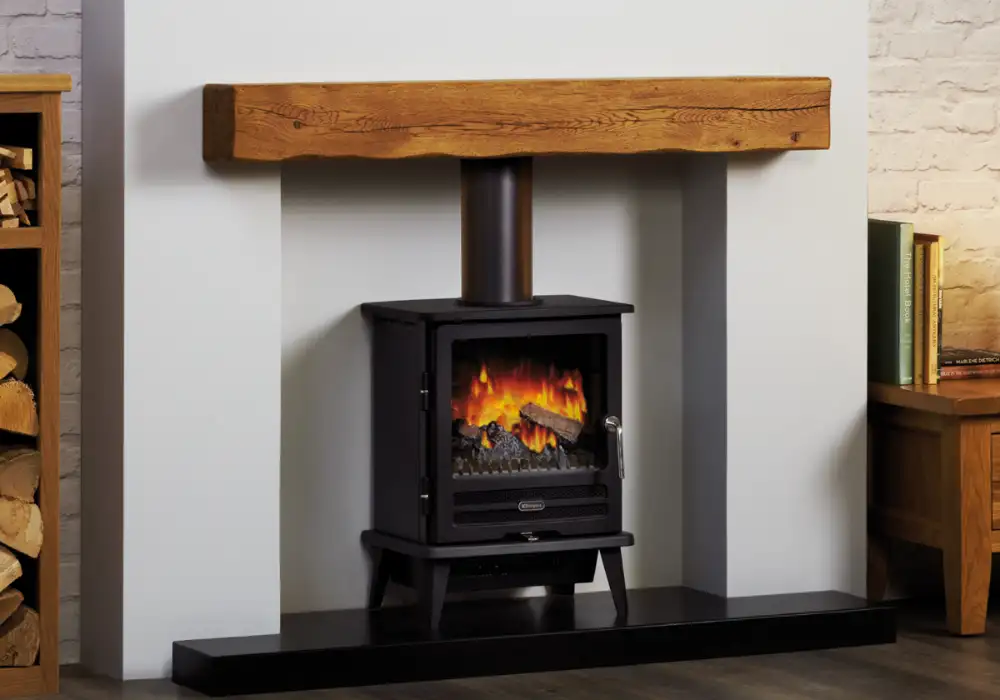
A traditional fireplace — whether housing a gas fire, an electric fire or a wood-burning stove — is rooted in architectural heritage. It typically features a chimney breast, a mantelpiece, and a hearth, offering timeless character and classic proportions.
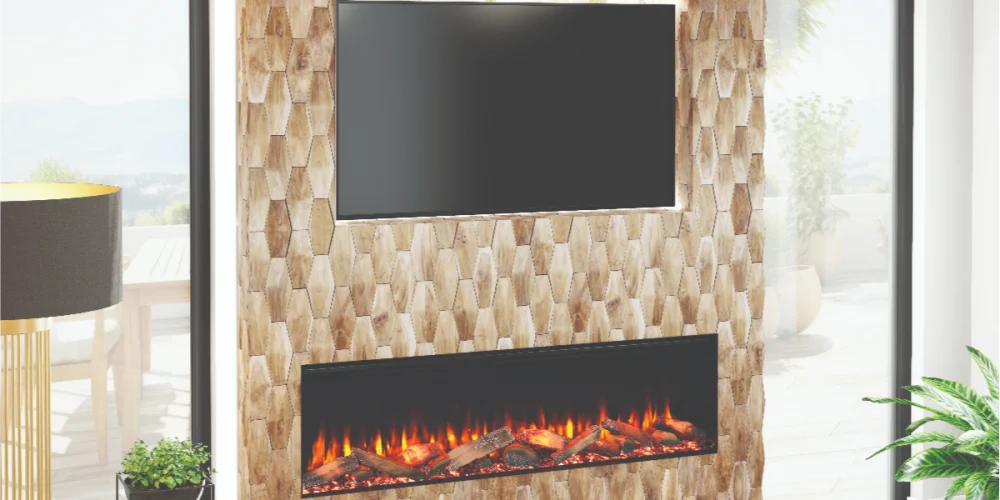
A media wall, by contrast, is a contemporary feature wall that integrates an electric fireplace with a wall-mounted television, storage units and often LED lighting. It is engineered for modern living, combining entertainment and heating into one cohesive installation.
Understanding the practical and structural implications of each option is essential before committing to a design direction.
How a Media Wall Works
Integrated Electric Fireplace Systems
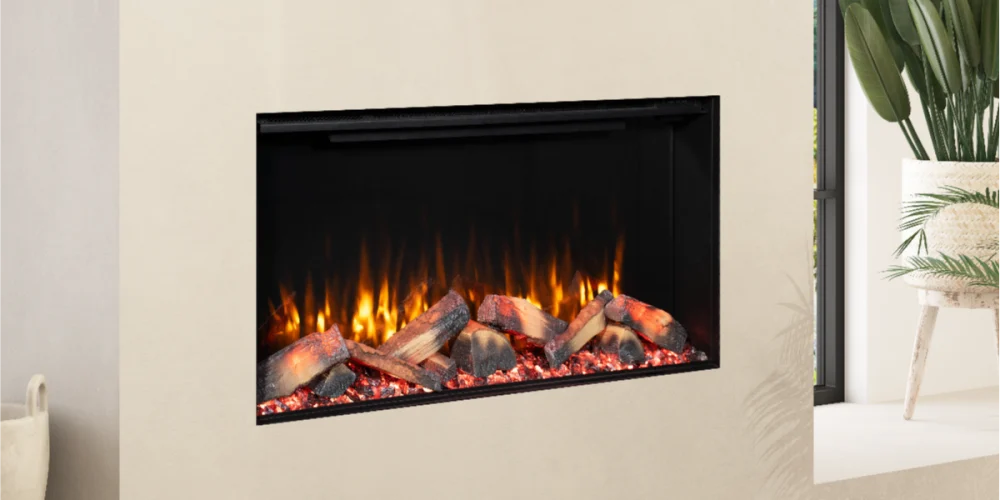
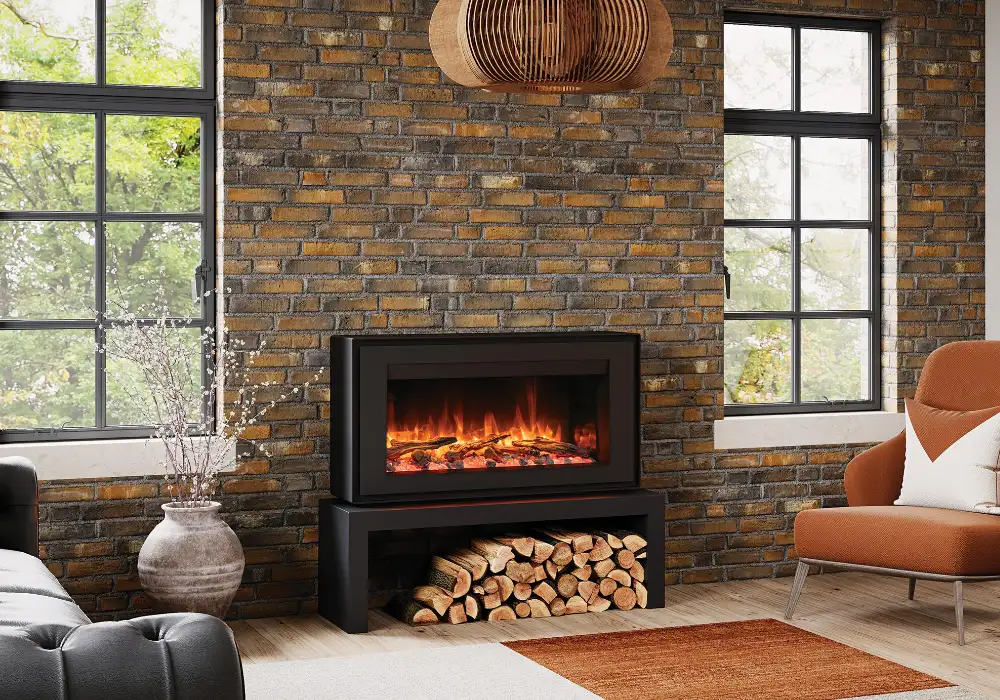
Most media walls incorporate an inset electric fire. These electric fireplaces are designed for recessed installation within studwork framing, allowing a flush finish across the feature wall. Panoramic electric fires ranging from 1000mm to over 2000mm wide are commonly used to create visual impact beneath a television.
Because electric fires require no flue, chimney or gas supply, they are ideal for bespoke feature wall installations.
Structural Framing and Finishing
Media walls are typically constructed using timber or metal stud frameworks, insulated where required, then finished with plasterboard and skim coat plaster. Cable management for TVs, sound systems, and LED lighting must be carefully planned.
Heat clearance between the electric fire and television is a crucial design consideration. Although electric fires produce less radiant heat than gas or solid-fuel appliances, manufacturer guidelines must still be followed.
Media wall installations are, therefore, construction projects as much as fireplace installations.
How a Traditional Fireplace Works
Chimney Breast and Flue Systems
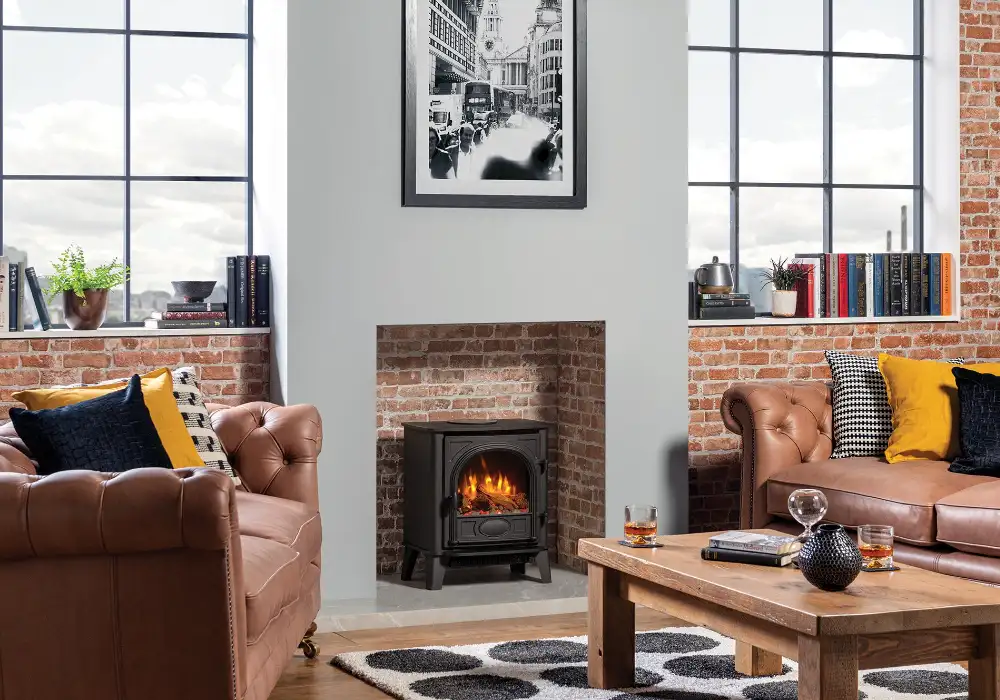
A traditional fireplace is usually built around a chimney breast structure. In older properties, this may already exist and can house a gas fire, wood-burning stove or open fire. In newer homes, a false chimney breast can be constructed to create a similar aesthetic.
Gas fireplaces require flue systems, while wood-burning stoves require a lined chimney or twin-wall flue. Electric fires can also be fitted within traditional surrounds without needing ventilation.
The structural and regulatory requirements depend heavily on the chosen fuel type.
Mantelpieces, Hearths and Surrounds
Traditional fireplaces feature distinct architectural elements: mantel shelves, stone or marble surrounds, cast-iron inserts, and raised hearths. These components contribute to character and period styling.
For homeowners seeking timeless elegance, these details often outweigh the sleek minimalism of a media wall.
Heating Performance Comparison
Heat Output
Traditional fireplaces fitted with gas fires or wood-burning stoves typically deliver higher heat output than electric media wall fires. Gas appliances can provide 3-5kW of heat, while stoves often exceed this.
Electric fires within media walls usually provide up to 2kW of fan-assisted heat. While suitable for supplementary heating, they may not serve as a primary heat source in larger rooms.
If substantial heat contribution is a priority, traditional installations using combustion appliances may offer superior performance.
Zoned Heating Considerations
Media wall electric fires function well as zoned heating solutions, allowing homeowners to heat one room without activating the central heating system. However, operating costs depend on electricity tariffs.
Gas and solid-fuel fireplaces may offer lower per-kilowatt-hour running costs, depending on energy pricing.
Installation Complexity and Disruption
Media Wall Installation Process
Media wall construction involves framing, electrical work, plastering and finishing. Installation timelines can span several days depending on design complexity. Integrated shelving, LED lighting strips and decorative finishes add further detail.
Although electric fires simplify the heating component, the structural build remains substantial.
Traditional Fireplace Installation Process
Where a chimney breast already exists, installing a gas fire or stove may involve flue lining, hearth modification and appliance fitting. Structural changes are usually limited to the fireplace opening and chimney system.
If building a false chimney breast for aesthetic purposes, installation complexity increases.
Professional installation by Gas Safe or HETAS-registered engineers ensures regulatory compliance.
Design Impact and Interior Style
Contemporary Interiors
Media walls align strongly with modern interior design trends. Clean lines, large-format electric fires and integrated televisions create a sleek, minimalist appearance. Feature lighting enhances ambience and architectural presence.
In open-plan living spaces, media walls often become the dominant focal feature.
Period and Character Properties
Traditional fireplaces complement period homes, cottages and Victorian terraces. Restoring an original fireplace opening or installing a wood-burning stove within a chimney breast preserves historical character.
Even in modern homes, traditional surrounds can introduce warmth and texture.
Flexibility of Future Changes
Media walls are more permanent structural features. Altering the design later may require significant reconstruction.
Traditional fireplace surrounds can sometimes be updated or replaced with less structural impact.
Safety and Regulations
Electric fires in media walls require electrical compliance but no combustion ventilation. Gas fires and stoves within traditional fireplaces require compliance with Building Regulations Part J, proper flueing, and annual servicing.
Understanding regulatory responsibilities is critical when comparing these two options.
Environmental and Efficiency Considerations
Electric media wall fireplaces produce no on-site emissions. Their environmental impact depends on grid electricity sources.
Gas and solid-fuel fireplaces generate combustion emissions, but modern high-efficiency appliances significantly reduce particulate emissions compared to older models.
EcoDesign-compliant stoves and high-efficiency gas fires meet stringent environmental standards.
Which Option Is Best for Your Home?
New Build Homes
Media walls often suit new-build properties where chimney infrastructure is absent and contemporary styling is preferred.
Period Properties
Traditional fireplaces frequently align better with existing architecture and character features.
Homeowners Focused on Entertainment Integration
If television placement and integrated storage are central to your living room design, a media wall provides a cohesive solution.
Homeowners Prioritising Heat Output
Gas fires and wood-burning stoves within traditional fireplaces generally deliver stronger heating performance.
Final Verdict: Media Wall vs Traditional Fireplace
The choice between a media wall and a traditional fireplace ultimately depends on design preference, heating requirements and structural feasibility.
Media walls offer modern integration, clean aesthetics and simplified electric installation. Traditional fireplaces provide architectural character, flexible fuel options and potentially greater heat output.
Both options can add value and visual impact when professionally designed and installed. The right solution depends on how you use your living space, your property structure and your long-term heating goals.