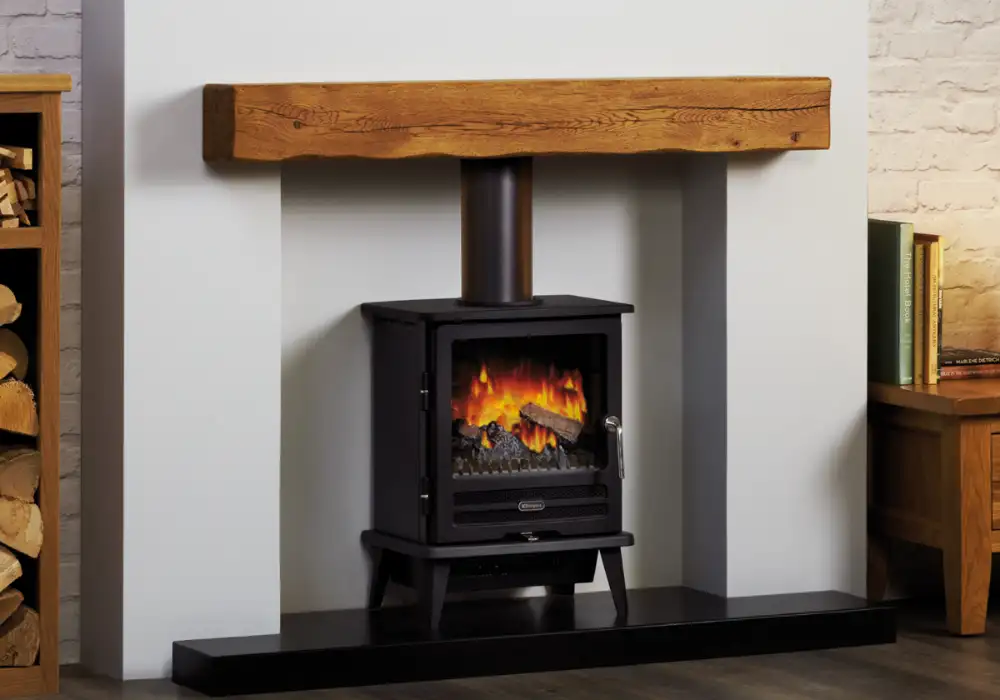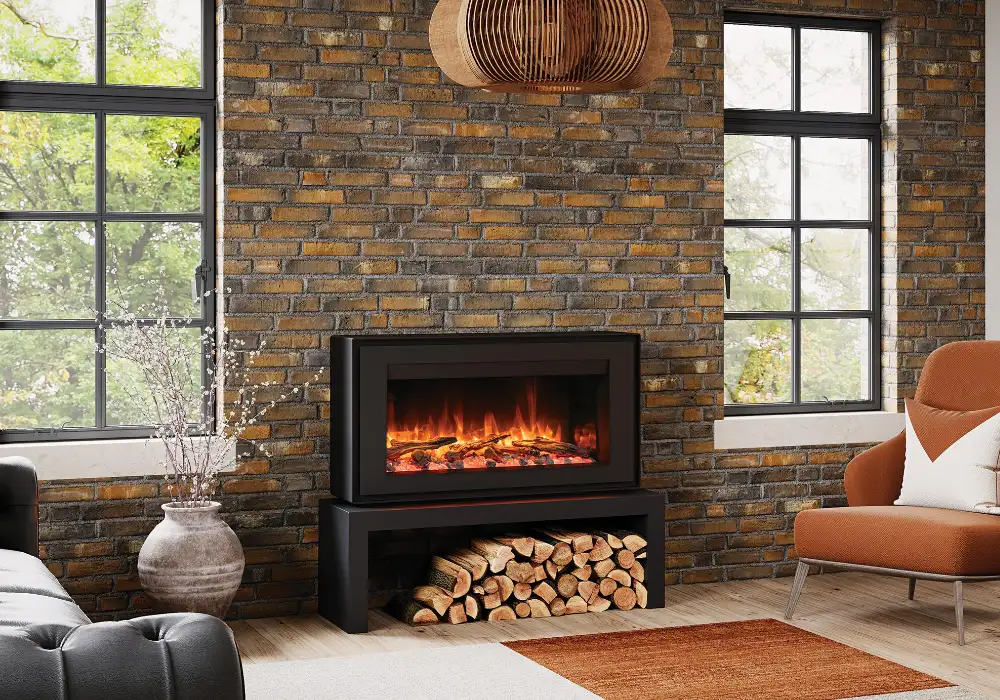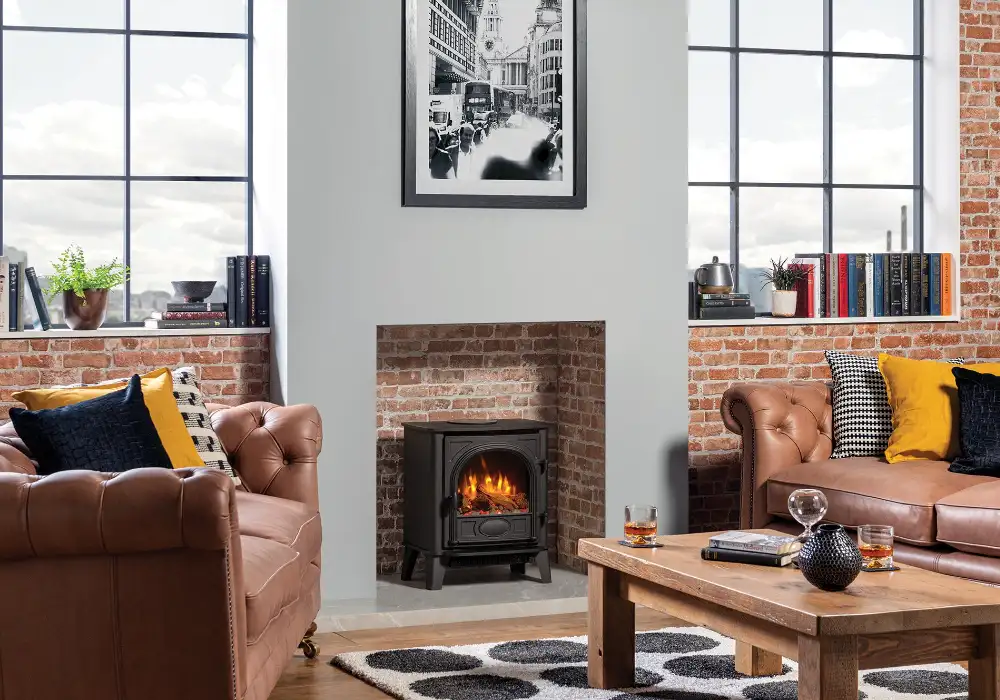

Introduction to Gas and Electric Fireplaces
Choosing between a gas fireplace and an electric fireplace is one of the most common decisions homeowners face when upgrading their home heating system or installing a new feature fire. In this guide, Gas vs Electric Fireplaces – Which Is Best for Your Home?, we examine how both heating options compare in real-world settings. Gas fires and electric fires each provide warmth and visual ambience, creating a striking focal point in living rooms and open-plan spaces. However, they differ significantly in terms of installation requirements, flue and ventilation systems, running costs, energy efficiency, heat output, ongoing maintenance, and compliance with UK building regulations. Understanding how a gas heating appliance compares with a modern electric fire in overall performance and long-term operating costs is essential before deciding which fireplace is best suited to your property.
In the UK market, modern gas fires and contemporary electric fireplaces have evolved dramatically over the last decade. High-efficiency glass-fronted gas appliances now deliver impressive heat retention, while advanced LED flame technology in electric fires produces increasingly realistic flame visuals. The result is a genuine dilemma: convenience versus authenticity, infrastructure versus flexibility.
Understanding the structural, technical and long-term implications of each option is essential before making a decision.
How Gas and Electric Fireplaces Work
Heat Production and Flame Technology
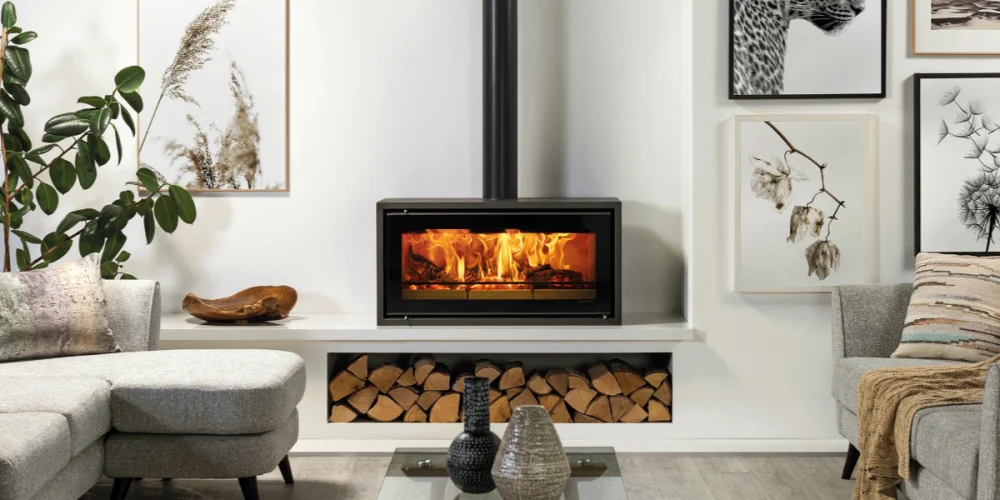
A gas fireplace operates by combusting natural gas or LPG to generate real flames and convective heat. Glass-fronted gas fires, balanced flue systems and conventional flue appliances each manage combustion gases differently, but all produce genuine radiant heat from a live flame. Many modern gas units achieve efficiency ratings exceeding 80%, particularly sealed, glass-fronted models.
Electric fireplaces, by contrast, do not rely on combustion. Instead, they use an electric heating element combined with a fan-assisted convection system. The flame effect is generated through LED lighting, holographic projections or water vapour technology in premium models. While electric fires provide instant heat and adjustable flame visuals, they do not replicate the combustion process of a real gas appliance.
The difference between real flame combustion and simulated flame technology often influences homeowner preference.
Installation Requirements and Infrastructure
Gas fireplace installation is a regulated process in the UK. A Gas Safe-registered engineer must install all gas appliances in compliance with safety legislation. Depending on the property, installation may require:
- A chimney or existing flue
- A balanced flue through an external wall
- A gas supply line connection
- Hearth and ventilation compliance
Electric fireplaces are considerably simpler to install. Many models require only a standard 13-amp socket. Wall-mounted electric fires can be surface-fixed, while inset electric units may require stud wall recessing for a flush finish. There are no flue requirements and no combustion gases to manage.
For properties without a chimney or gas supply, electric installations are typically more straightforward.
Ventilation and Flue Systems
Gas appliances require proper flueing to remove combustion by-products such as carbon monoxide. Options include:
- Conventional flue (using existing chimney stack)
- Balanced flue (sealed system venting horizontally)
- Flueless gas fires (requiring specific room ventilation compliance)
Electric fireplaces produce no emissions and therefore require no ventilation or chimney system.
For homeowners in apartments or new-build properties without chimney infrastructure, this distinction is critical.
Installation Considerations
Structural and Regulatory Factors
Gas fireplace installation must comply with Building Regulations Part J (combustion appliances and fuel storage systems). This includes correct hearth depth, flue diameter, ventilation calculations and clearance distances from combustible materials.
Electric fireplaces are not subject to combustion regulations but must comply with electrical safety standards. When installed into media walls, heat management and cable routing must still be carefully planned.
For a full-service installer, the complexity of gas installations demands detailed site surveys and safety checks, whereas electric installations focus more on aesthetic integration.
Property Type Implications
Period properties with existing chimney breasts often lend themselves well to gas fire upgrades. Conversely, modern homes with plasterboard stud walls frequently favour electric media wall installations.
Understanding the property construction type significantly influences feasibility.
Running Costs and Energy Efficiency
Fuel Costs and Tariffs
Gas prices fluctuate, but historically offer lower per-kWh costs than electricity. Recent UK energy pricing trends indicate that gas typically remains more economical for sustained heating.
Electric fires, while convenient, operate at standard electricity tariffs. A 2kW electric fire running at full heat can be more expensive per hour than a gas equivalent delivering similar heat output.
Heat Output Comparison
Gas fires commonly deliver between 3kW and 5kW of heat, making them suitable as primary heating sources in medium-sized living rooms.
Electric fireplaces usually provide up to 2kW output. While sufficient for supplementary heating, they may not replace central heating in larger rooms.
For homeowners seeking meaningful heat contribution rather than decorative ambience alone, this difference is significant.
Long-Term Maintenance Costs
Gas fires require annual servicing to ensure combustion safety, burner efficiency and flue integrity. Electric fireplaces require minimal servicing, though internal components may eventually require replacement.
Maintenance responsibility should factor into long-term ownership costs.
Aesthetic and Design Flexibility
Traditional Fireplace Settings
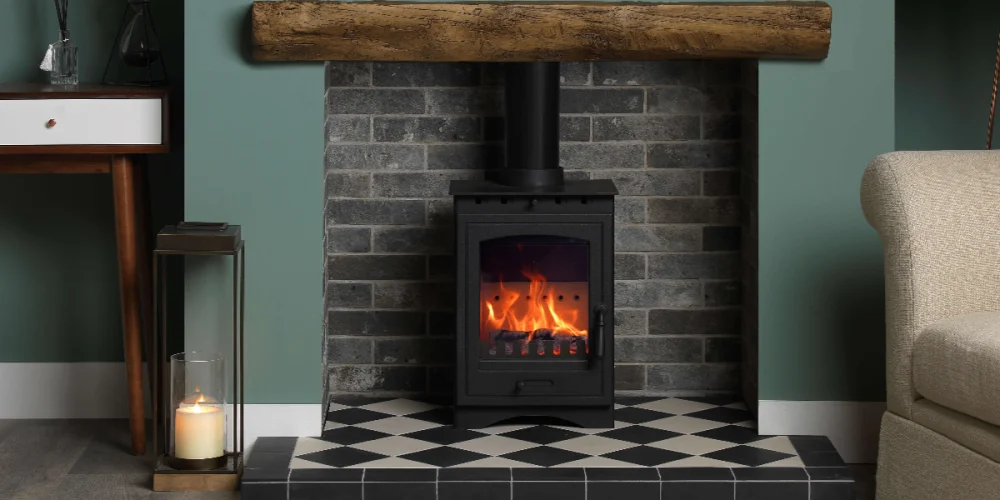
Gas fires integrate well with traditional surrounds, marble mantels, and cast-iron inserts. They preserve the heritage aesthetic while improving efficiency compared to open fires.
Electric fires also suit traditional surrounds but may lack the authenticity of real flame movement in classic interiors.
Contemporary Interiors and Media Walls
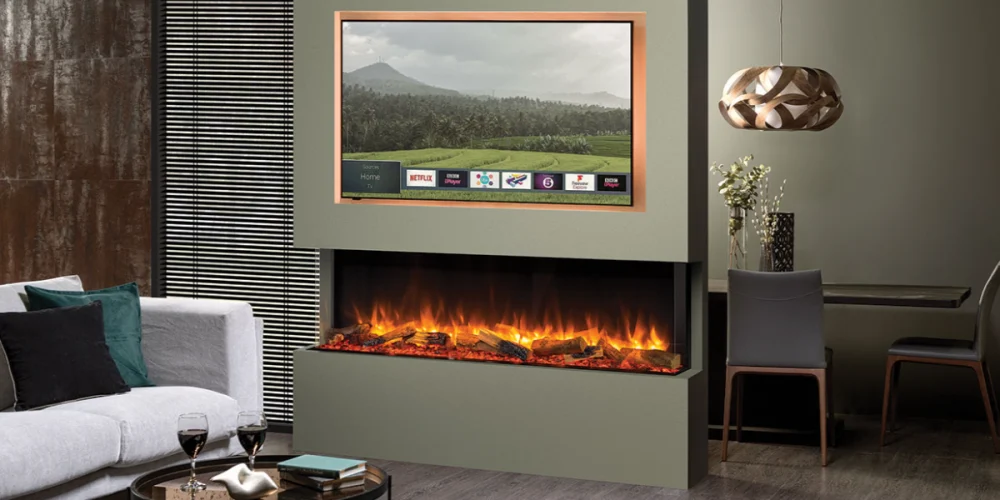
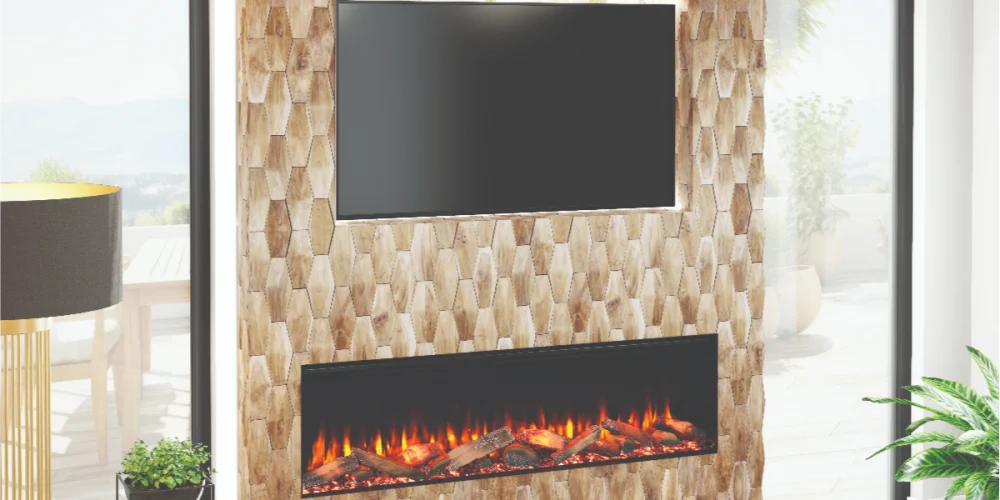
Electric fireplaces dominate the media wall market due to their slim profile and ease of integration. Built-in electric fires can span 1000mm to 2000mm wide, creating a panoramic flame display beneath wall-mounted televisions.
Gas fires are available in wide-format designs but require more structural planning and ventilation routing.
Flame Realism and Visual Impact
Modern gas fires provide genuine flame movement over ceramic logs or coals. Electric flame technology has improved considerably, yet discerning homeowners often recognise the difference between real combustion and projected visuals.
The desired level of realism plays a decisive role.
Safety and Environmental Impact
Indoor Air Quality
Gas fires produce combustion gases that must be safely vented. Proper installation mitigates risk, but annual servicing remains essential.
Electric fireplaces produce no emissions, making them attractive in airtight, energy-efficient homes.
Carbon Footprint Considerations
Gas combustion generates carbon emissions, although high-efficiency models reduce waste. Electric fireplaces’ environmental impact depends on the grid electricity sources.
As the UK grid incorporates more renewable energy, electric options may become increasingly attractive from a sustainability perspective.
Which Option Is Best for Different Homes?
New Builds
Electric fireplaces often suit new-build properties due to the absence of chimney infrastructure and the increasing airtightness of construction standards.
Period Homes
Gas fires provide a balance between authenticity and improved heating performance in older properties with existing flues.
Flats and Apartments
Electric fireplaces typically present fewer compliance complications in multi-storey buildings.
Homeowners Prioritising Heat Output
Gas remains superior for delivering substantial heat.
Homeowners Prioritising Simplicity
Electric fireplaces offer plug-and-play convenience with minimal disruption.
Which Fireplace Is Right for You?
The decision between gas and electric fireplaces ultimately depends on infrastructure, heating expectations, aesthetic preference and long-term cost considerations.
If you require meaningful heat output, authentic real flames and lower running costs for regular use, a professionally installed gas fire is often the stronger option.
If you prioritise installation flexibility, modern media wall integration and low maintenance requirements, an electric fireplace may better suit your property.
As full-service fireplace installers, the most important step is a professional site assessment. Evaluating chimney condition, gas supply availability, room size and structural configuration ensures the chosen appliance performs efficiently and safely for years to come.