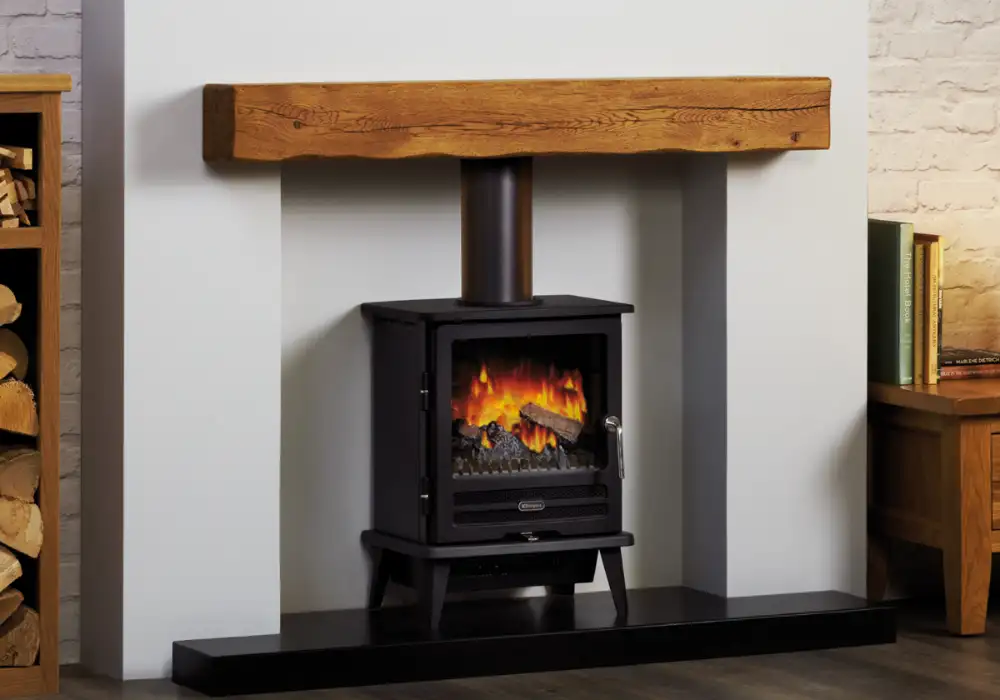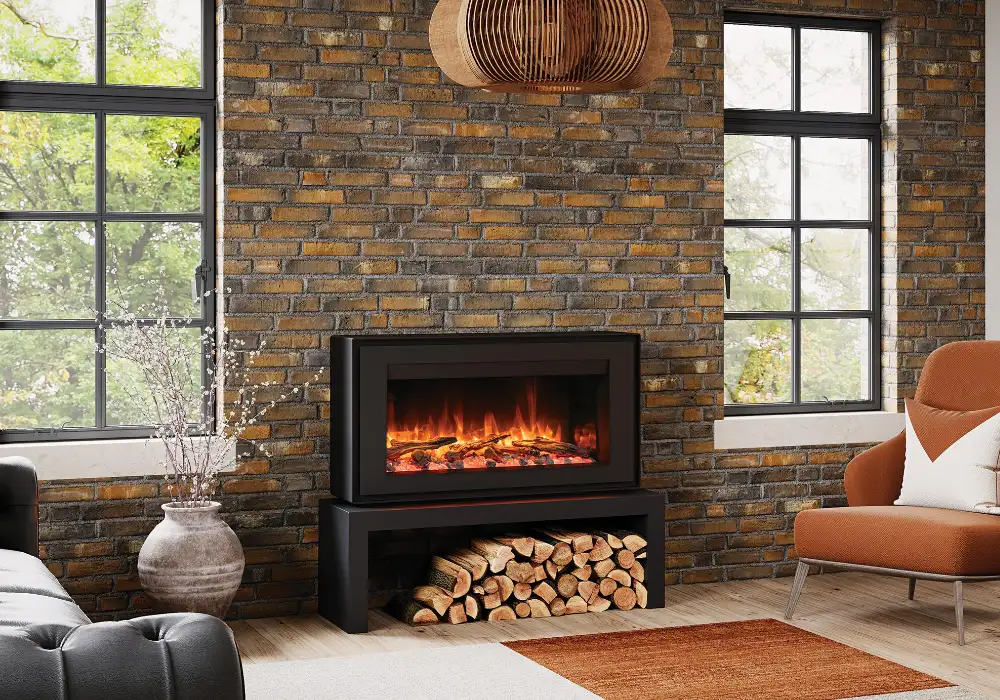

Introduction to Wall-Mounted and Inset Electric Fires
When homeowners begin researching modern electric fireplaces, one of the most common comparisons is wall-mounted vs inset electric fires – what’s the difference? Both options offer the convenience of electric heating, realistic LED flame effects and flexible installation, yet they differ significantly in structural requirements, visual integration, heat distribution and overall design impact.
Electric fires have become increasingly popular in UK homes, particularly in properties without a chimney or gas supply. Advances in flame-effect technology, panoramic glass fronts, and media wall integration mean electric fireplaces are no longer simply decorative heaters. However, choosing between a surface-mounted electric fire and a fully recessed inset electric fireplace requires a clear understanding of installation depth, wall construction, cable routing and long-term design goals.
As full-service fireplace installers, we regularly advise clients on which electric fire configuration best suits their property layout, interior style and heating expectations.
How Wall-Mounted and Inset Electric Fires Work
Heat Production and Flame Technology
Both wall-mounted electric fires and inset electric fires operate using an internal heating element combined with fan-assisted convection. Most units provide up to 2kW heat output, with adjustable thermostatic controls and flame-only settings for ambience without heat.
Modern electric fireplaces use LED flame projection, reflective flame beds or holographic technology to simulate realistic flame movement. Some premium models incorporate adjustable ember bed colours, driftwood log effects or crystal fuel beds to enhance visual impact.
From a heating perspective, both styles deliver comparable output. The primary distinction lies not in performance but in installation method and aesthetic integration.
Structural Design and Depth Requirements
Wall-mounted electric fires are typically slimline appliances designed to sit directly against a finished wall surface. Many models require only minimal bracket fixing and a nearby 13-amp socket. This makes them particularly attractive for straightforward retrofits.
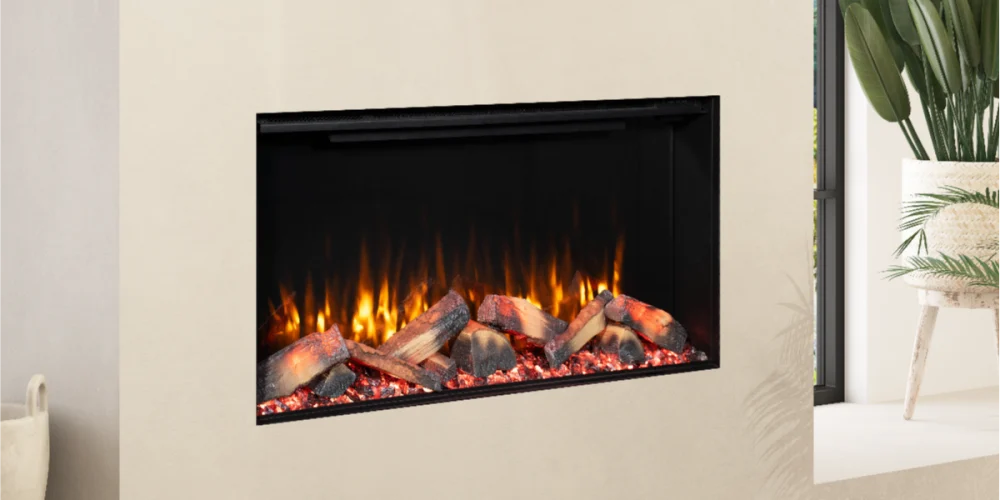
Inset electric fires, sometimes referred to as recessed electric fireplaces or built-in electric fires, are installed within a wall cavity, chimney breast or purpose-built media wall. These units require adequate recess depth, structural support and ventilation allowances behind the appliance.
Understanding wall composition — whether solid masonry, stud partition or insulated media wall framework — is critical before selecting either option.
Installation Considerations
Surface-Mounted Installation
Wall-mounted electric fireplaces are generally quicker to install. The process involves securing a mounting bracket, connecting the electrical supply and ensuring safe clearances from combustible materials. For homeowners seeking minimal disruption, this approach can often be completed within a single visit.
However, cable concealment remains important. Visible wiring can undermine the clean, contemporary aesthetic these appliances are designed to achieve. In many cases, minor wall chasing or trunking may still be required to maintain a seamless finish.
Recessed and Media Wall Integration
Inset electric fires require more planning. The wall must be opened or constructed to accommodate the appliance depth. In media wall installations, structural framing, plasterboard finishing, heat management, and TV positioning must all be carefully coordinated.
Although electric fires do not require a flue system or ventilation for combustion gases, adequate airflow around the appliance remains essential to prevent overheating. Manufacturer clearance guidelines must always be followed.
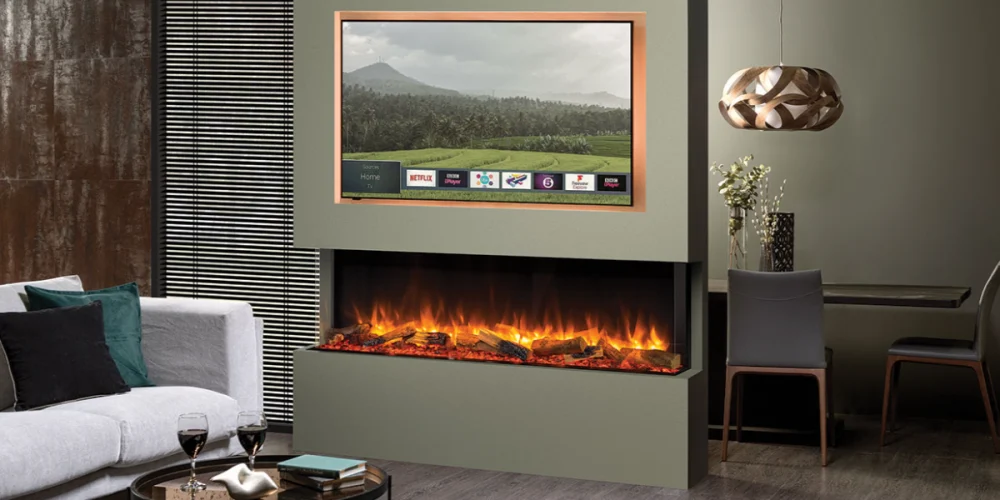
For homeowners planning a media wall feature with integrated shelving, soundbars and concealed LED lighting, inset electric fireplaces provide a flush, built-in appearance that wall-mounted units cannot fully replicate.
Compliance and Electrical Safety
Electric fireplace installation must comply with UK electrical safety standards. While Gas Safe registration is not required for electric fires, professional installation ensures load capacity, cable protection and safe socket positioning meet regulations.
Where structural alterations are required, adherence to building standards remains essential.
Design Flexibility and Interior Impact
Visual Profile and Room Presence
Wall-mounted electric fires typically project slightly from the wall surface. While slimline designs minimise protrusion, they remain visually distinct when mounted. In contemporary interiors, this floating effect can enhance the modern aesthetic.
Inset electric fires sit flush within the wall or media wall structure. This creates a more architectural, integrated look, often resembling high-end gas fireplace installations.
For homeowners seeking a sleek, minimalist finish, recessed electric fireplaces usually provide greater design sophistication.
Suitability for Media Walls
Media walls have become one of the most requested features in modern UK homes. Inset electric fires are specifically designed for this purpose, offering panoramic flame displays ranging from 1000mm to over 2000mm wide.
Wall-mounted electric fires can be incorporated into simpler feature walls, but are less commonly used in fully bespoke media wall systems.
Traditional Surrounds and Chimney Breasts
Inset electric fires also integrate effectively within traditional fireplace surrounds, including marble, timber or stone mantels. In properties with an existing, non-operational chimney breast, a recessed electric fire can revitalise the focal point without requiring flue restoration.
Wall-mounted electric fireplaces tend to suit modern settings more than period interiors.
Heat Output and Energy Efficiency
Room Heating Capability
Most electric fires, whether wall-mounted or inset, deliver up to 2kW of heat output. This is typically sufficient for supplementary heating in small to medium-sized living rooms, but may not replace central heating in larger open-plan areas.
Because electric fireplaces convert nearly all the electricity they consume into heat at the point of use, they are technically efficient appliances. However, electricity tariffs in the UK generally result in higher per-hour operating costs compared to gas alternatives.
Zoned Heating Strategy
Electric fires can be used effectively as zoned heating solutions. Rather than heating the entire property through a boiler and radiator system, homeowners can warm a single room when required.
This targeted heating approach can contribute to overall energy management strategies, particularly during transitional seasons.
Running Costs and Long-Term Ownership
Electricity Consumption
Operating cost depends on wattage and tariff rates. A 2kW electric fire running at full output for one hour will consume 2kWh of electricity. Flame-only settings consume significantly less energy, making them cost-effective for ambience without heat.
Maintenance Requirements
Electric fireplaces require minimal servicing compared to combustion appliances. There are no flue liners, gas valves or combustion chambers to inspect annually. Occasional cleaning and internal fan checks are typically sufficient.
Inset electric fires installed within media walls may require slightly more planning if future access for component replacement is needed.
Safety and Practical Considerations
Electric fires produce no combustion gases, carbon monoxide or particulate emissions. This makes them attractive in airtight modern homes and flats where ventilation is limited.
Both wall-mounted and inset electric fireplaces include safety cut-out mechanisms to prevent overheating. Proper installation ensures safe clearances from televisions and decorative finishes.
Which Option Is Best for Different Homes?
Flats and Apartments
Wall-mounted electric fires are often ideal in apartments where structural alterations are restricted. Minimal wall penetration simplifies installation.
New Build Properties
Inset electric fires integrated into media walls align well with contemporary new-build interior trends.
Period Homes
Inset electric fireplaces fitted within existing chimney breasts allow homeowners to preserve the traditional focal point without reopening a flue.
Homeowners Seeking Minimal Disruption
Wall-mounted electric fires typically require less building work and can be installed more quickly.
The Final Verdict: Wall Mounted vs Inset Electric Fires
The difference between wall-mounted and inset electric fires ultimately comes down to installation complexity and aesthetic integration rather than heating performance.
Wall-mounted electric fireplaces offer simplicity, flexibility and reduced installation time. Inset electric fires provide a flush, architectural finish ideal for media walls and high-end interior design.
For homeowners prioritising ease and speed, wall-mounted units are often sufficient. For those investing in a bespoke living room focal point, a recessed electric fireplace typically delivers greater long-term visual impact.
Professional assessment ensures wall construction, electrical capacity and design objectives align with the chosen appliance.