Introduction to Sustainable Home Heating
As energy efficiency and environmental responsibility become increasingly important to UK homeowners, many are reconsidering how they heat their living spaces. The Environmental Benefits of Switching to a Wood-Burning Stove extend beyond aesthetics and traditional charm. Modern wood-burning stoves, particularly EcoDesign-compliant and DEFRA-approved models, are engineered to deliver efficient heat output while significantly reducing emissions compared to older solid-fuel appliances.
With rising energy costs and growing awareness of carbon footprints, homeowners are looking for heating solutions that balance performance with sustainability. A properly installed wood-burning stove can form part of a responsible, lower-impact heating strategy when used correctly and maintained professionally.
Understanding how modern stove technology differs from outdated perceptions is essential when evaluating environmental impact.
How Modern Wood-Burning Stoves Reduce Emissions
Secondary Combustion Technology
Older wood burners were often criticised for high particulate emissions. However, modern EcoDesign 2022-compliant stoves incorporate advanced secondary and tertiary combustion systems. These systems re-burn uncombusted gases and particulates before they exit the flue, dramatically improving combustion efficiency.
By extracting more heat energy from each log, modern stoves reduce wasted fuel and lower overall emissions.
DEFRA Approval and Smoke Control Areas
In designated smoke control areas across the UK, only DEFRA-exempt appliances can legally burn wood. DEFRA-approved wood-burning stoves are engineered to restrict airflow and optimise combustion, reducing smoke production.
This regulatory framework ensures that contemporary appliances meet strict environmental standards, making them far cleaner than open fires or outdated models.
Renewable Fuel and Carbon Neutrality
Sustainable Firewood Sources
Wood is considered a renewable fuel when sourced responsibly from managed woodlands. As trees grow, they absorb carbon dioxide from the atmosphere. When seasoned logs are burned in a high-efficiency stove, the carbon released roughly equals the amount absorbed during the tree’s growth cycle.
This carbon cycle makes wood a potentially low-impact heating fuel when compared with fossil fuels such as natural gas or oil.
Kiln-Dried and Seasoned Logs
Using properly seasoned or kiln-dried firewood with a moisture content below 20% is crucial. Wet wood produces excess smoke, lower heat output and higher emissions. Responsible fuel choice significantly influences environmental performance.
Professional installers often advise homeowners on appropriate fuel storage and moisture management to maintain clean combustion.
Energy Efficiency and Heat Performance
High Efficiency Ratings
Modern wood-burning stoves regularly achieve efficiency ratings above 75%. This means the majority of the fuel’s energy is converted into usable heat rather than being lost up the chimney.
Compared to open fireplaces — which can lose significant heat through the flue — a closed stove system offers dramatically improved thermal performance.
Reduced Reliance on Central Heating
A well-positioned stove in a living room can act as a primary heat source during colder months. By reducing reliance on gas boilers or electric radiators, homeowners may lower overall energy consumption.
Using zoned heating strategies, households can warm occupied rooms without heating the entire property unnecessarily.
Air Quality Considerations
Modern vs Traditional Perceptions
Concerns around air quality often stem from older appliances or improper usage. Modern EcoDesign stoves produce far fewer particulates and are subject to stringent emissions testing.
Professional installation, correct flue lining and annual chimney sweeping further reduce environmental risk.
Importance of Professional Installation
Incorrect installation can compromise efficiency and emissions performance. A properly sized flue liner, proper air ventilation, and a suitable stove output for the room size are critical factors.
Using a HETAS-registered installer ensures compliance with Building Regulations and optimised environmental performance.
Long-Term Sustainability
Durability and Lifespan
Wood-burning stoves are durable appliances that often last decades with appropriate maintenance. Their longevity reduces the need for frequent replacement, lowering long-term material consumption.
Cast iron and steel stove bodies are robust and repairable, contributing to sustainable ownership.
Future-Proof Heating Strategy
As the UK transitions toward greener energy solutions, diversified heating strategies may become more common. A wood-burning stove can provide resilience during energy supply fluctuations, particularly in rural areas.
When paired with responsible fuel sourcing and modern stove technology, wood heating can form part of a balanced approach to sustainable living.
Environmental Comparison with Other Heating Methods
Gas Heating
Natural gas combustion produces carbon emissions tied directly to fossil fuel extraction. While high-efficiency gas fires perform well, they rely on non-renewable fuel sources.
Electric Heating
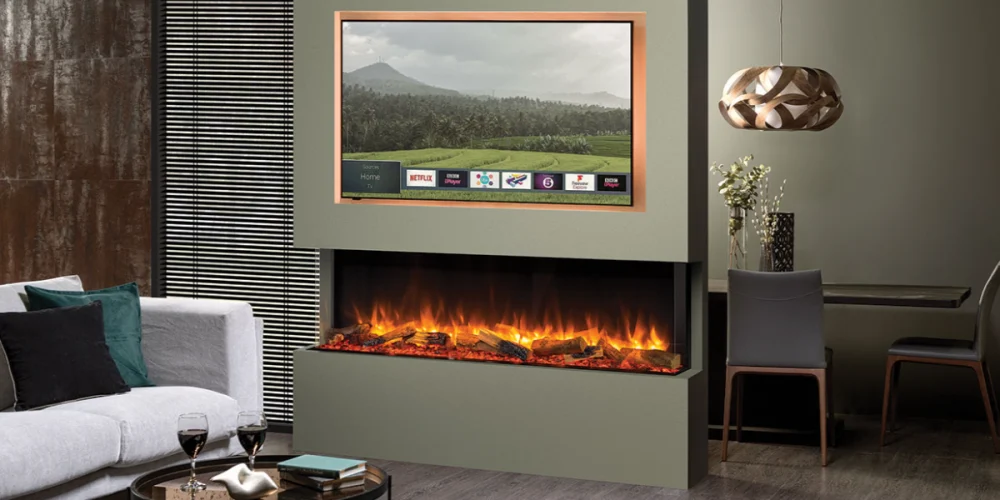
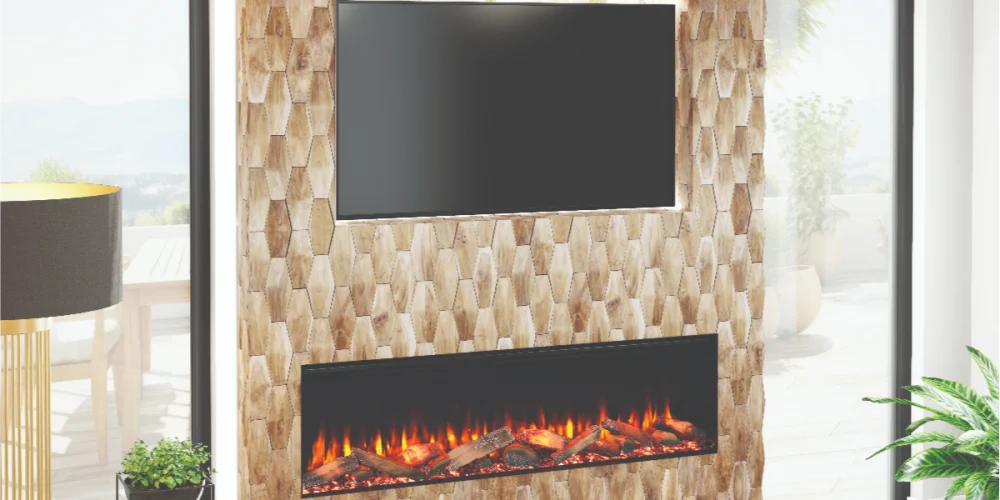
Electric fireplaces produce no on-site emissions but depend on grid electricity generation. As renewable energy integration increases, electric heating may become cleaner over time.
Solid Fuel vs Open Fires
An open fireplace is significantly less efficient than a modern wood-burning stove. Upgrading from an open fire to a sealed stove system dramatically improves heat retention and reduces particulate release.
Is Switching to a Wood-Burning Stove Environmentally Responsible?
The environmental benefits of switching to a wood-burning stove depend on responsible usage, proper installation and fuel quality. When selecting an EcoDesign-compliant model, sourcing seasoned logs and maintaining regular servicing, homeowners can enjoy efficient heat with reduced environmental impact.
A modern wood-burning stove is not the same appliance it was decades ago. Advances in combustion engineering, emissions control and regulatory oversight have transformed stove technology into a far cleaner heating option.
Professional guidance ensures the chosen appliance suits your property size, insulation levels and heating needs, maximising efficiency and environmental performance.